

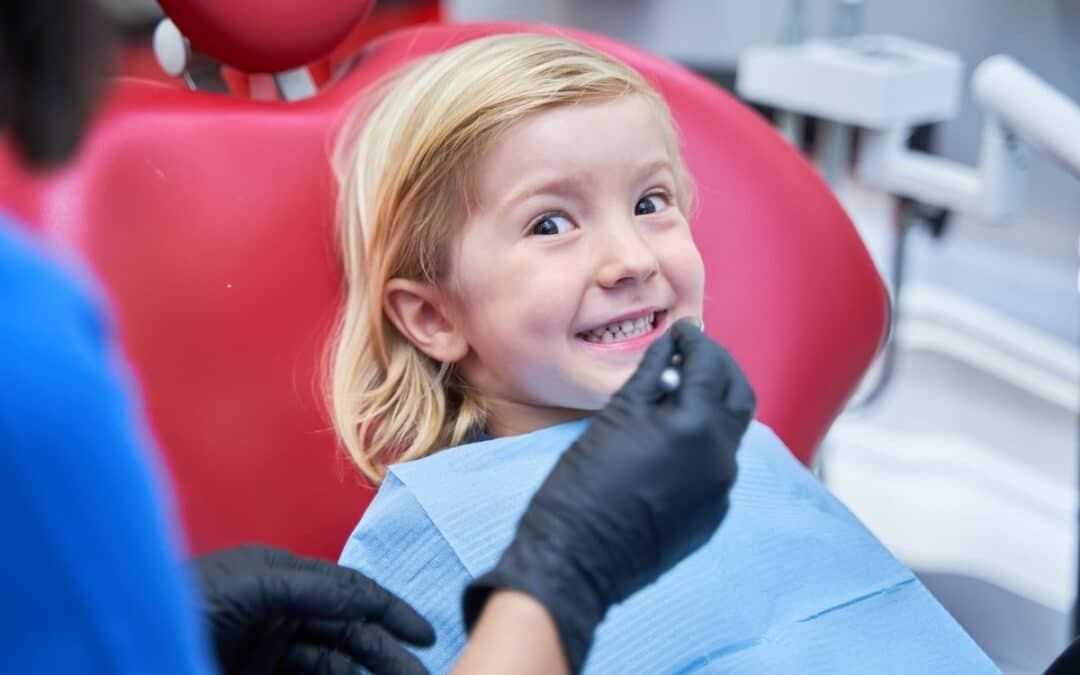
As a parent, it’s natural to wonder if your child really needs an early orthodontic visit. If their teeth “don’t look that bad,” it might seem reasonable to wait. However, orthodontic issues rarely improve on their own and often become more complex over time.
Early evaluation doesn’t always mean early braces. It allows orthodontists to monitor growth, guide dental development, and intervene at the right time—often making treatment easier, shorter, and less invasive. Here’s why timing matters.
When Should a Child First See an Orthodontist?
Most dental organizations recommend an orthodontic evaluation by age 7. At this stage:
- Permanent teeth are starting to come in
- Jaw growth is still active
- Bite issues can be identified early
This doesn’t always mean immediate treatment. Often, the orthodontist simply observes and plans ahead. Without this early check, important issues can be missed.
Risks of Delaying Orthodontic Care For Your Child
Delaying a visit doesn’t always cause problems, but if issues are present, they often worsen over time.
1. Bite Problems Can Worsen
Overbite, underbite, and crossbite rarely self-correct. As your child grows, misalignment may become more pronounced, requiring more intensive treatment later. Early guidance can prevent complex procedures.
2. Missed Jaw Growth Opportunities
Early evaluation allows orthodontists to guide jaw development while your child is still growing. Delaying treatment may close the window for growth-modifying appliances, limiting future options. For example, widening a narrow upper jaw is far easier in childhood.
3. Increased Risk of Crowding
Permanent teeth need enough space to erupt properly. Without early monitoring, teeth can overlap or erupt incorrectly, sometimes leading to impaction. Later treatment may involve extractions that could have been avoided.
4. Higher Chance of Dental Injuries
Protruding teeth are more prone to injury during falls or sports. Early orthodontic intervention of your child can reduce this risk.
5. Speech and Chewing Difficulties
Bite issues can affect speech and eating. Delayed treatment may lead to unclear pronunciation, inefficient chewing, and even digestive problems over time.
6. Poor Oral Hygiene and Higher Decay Risk
Crowded teeth are harder to clean, increasing the risk of plaque buildup, cavities, and gum problems.
7. Longer and More Complex Treatment Later
Delaying treatment can turn a short early intervention into full braces for 2–3 years, possible extractions, or even surgical correction in adulthood.
8. Impact on Confidence and Social Development
Visible dental issues can affect self-esteem and social comfort. Correcting alignment can improve both confidence and social interaction.
What Early Orthodontic Care Looks Like
Early visits often involve monitoring growth and taking preventive steps rather than immediate braces. Treatments may include:
- Space maintainers
- Expanders
- Partial braces
This approach, called interceptive orthodontics, addresses problems before they fully develop.
Signs Your Child May Need Early Evaluation
You don’t always need to wait until age 7. Look for:
- Early or late loss of baby teeth
- Difficulty biting or chewing
- Mouth breathing
- Thumb sucking beyond age 4–5
- Crowded or protruding teeth
- Jaws that shift or make sounds
These signs may indicate underlying issues that benefit from early intervention.
Can Waiting Ever Be Okay?
Sometimes yes. If your child’s teeth and jaw are developing normally, an orthodontist may recommend observation until the right time. Waiting under professional guidance is different from delaying without evaluation.
Conclusion
Early orthodontic visits focus on prevention, planning, and simplicity. They allow dental development to be guided rather than treated reactively. Delaying a visit can lead to:
- Worsening bite problems
- Missed growth opportunities
- Increased treatment complexity
- Higher risk of dental and functional issues
Early evaluation provides clarity, control, and better long-term outcomes. If you’re unsure, schedule a consultation with an orthodontist—it’s a small step that can make a big difference for your child’s smile and overall oral health.