

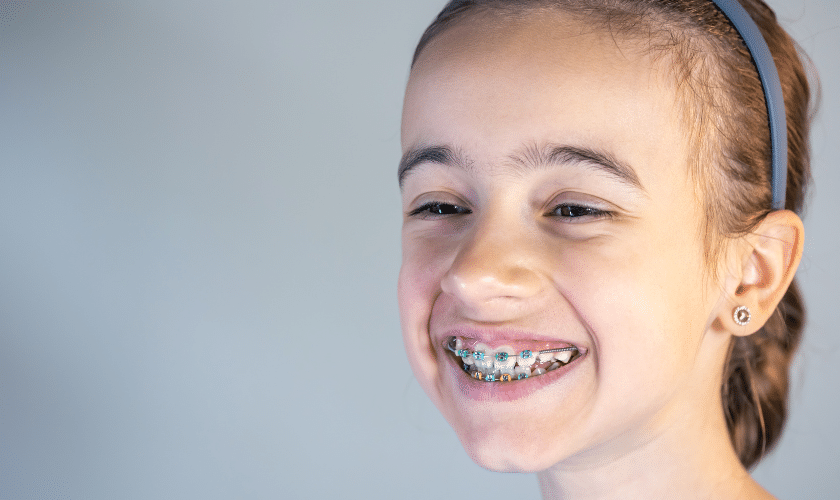
Children’s smiles are like beams of sunshine, radiating innocence, joy, and the promise of a bright future. However, for some young ones, misaligned teeth and jaw issues can cast a shadow on their self-esteem and overall well-being. That’s where pediatric orthodontics comes into play. In this article, we’ll delve into the world of pediatric orthodontics and explore how it helps little faces develop healthy, confident smiles.
What Is Pediatric Orthodontics?
Pediatric orthodontics is a specialized branch of dentistry that focuses on diagnosing, preventing, and treating dental and facial irregularities in children. These issues can include misaligned teeth, bite problems, and improper jaw development. The primary goal of pediatric orthodontics is to ensure that children’s teeth and jaws develop correctly, promoting not only a beautiful smile but also optimal oral health.
When Should Pediatric Orthodontic Evaluation Begin?
The American Association of Orthodontists recommends that children have their first orthodontic evaluation by age seven. This early assessment allows orthodontists to identify potential issues and plan for timely intervention if needed. While many children won’t require orthodontic treatment at this age, early evaluation provides a baseline for monitoring growth and development.
Common Orthodontic Issues in Children
Several orthodontic issues can affect children, and it’s essential to address them promptly to prevent long-term complications:
- Malocclusion: Malocclusion refers to misaligned teeth or an incorrect bite. It can result from genetic factors, thumb-sucking habits, or the premature loss of baby teeth. Correcting malocclusion can improve oral function and aesthetics.
- Crowded Teeth: Crowded teeth occur when there’s not enough space in the jaw for teeth to align correctly. This can lead to overlapping or crooked teeth, making oral hygiene challenging and increasing the risk of cavities and gum disease.
- Overbite and Underbite: Overbites and underbites involve misalignments of the upper and lower jaws. They can affect speech, chewing, and facial appearance. Early intervention can help guide proper jaw development.
- Open Bite: An open bite occurs when the upper and lower teeth don’t meet when the mouth is closed. This can cause speech difficulties and interfere with proper biting and chewing.
- Thumb-Sucking: Persistent thumb-sucking can lead to dental issues such as protruding front teeth and jaw misalignment. Orthodontic interventions can help break this habit and address resulting problems.
Orthodontic Treatment Options for Children
Pediatric orthodontics offers a range of treatment options tailored to the unique needs of each child. Some of the most common interventions include:
- Traditional Braces: Traditional braces consist of metal brackets and wires. They are highly effective for correcting a wide range of orthodontic issues and are often the go-to treatment for children with complex cases.
- Clear Braces: Clear braces offer a less noticeable alternative to traditional braces. They are made from tooth-colored or transparent materials, making them a popular choice for older children and teenagers.
- Functional Appliances: These removable or fixed devices are used to modify jaw growth and improve bite issues in children with developing jaws.
- Expanders: Palatal expanders are used to widen the upper jaw and create more space for teeth to align correctly. They are especially beneficial for children with crowded teeth.
- Invisalign for Teens: Invisalign Teen is a clear aligner system designed specifically for adolescents. It offers a discreet way to straighten teeth while allowing for normal eating and oral hygiene routines.
The Benefits of Early Intervention
Early intervention in pediatric orthodontics can yield several significant benefits:
- Improved Self-Esteem: Addressing orthodontic issues early can boost a child’s self-esteem by providing a more attractive and functional smile.
- Prevention of Complications: Correcting problems in childhood can prevent more severe orthodontic issues from developing later in life, reducing the need for extensive treatment.
- Enhanced Oral Health: Properly aligned teeth are easier to clean, reducing the risk of cavities and gum disease. This leads to better long-term oral health.
- Optimized Jaw Development: Orthodontic treatment can guide proper jaw growth, preventing future bite problems and functional issues.
- Speech Improvement: Correcting orthodontic issues can improve speech clarity and prevent speech difficulties.
Conclusion
Pediatric orthodontics plays a crucial role in helping little faces develop healthy, confident smiles. Early evaluation and intervention can pave the way for optimal oral health, improved self-esteem, and a bright future filled with smiles. If you have concerns about your child’s dental development, consider scheduling an orthodontic evaluation to explore the possibilities that pediatric orthodontics can offer. With the right guidance and care, every child can beam with confidence and happiness through their beautiful smile.