

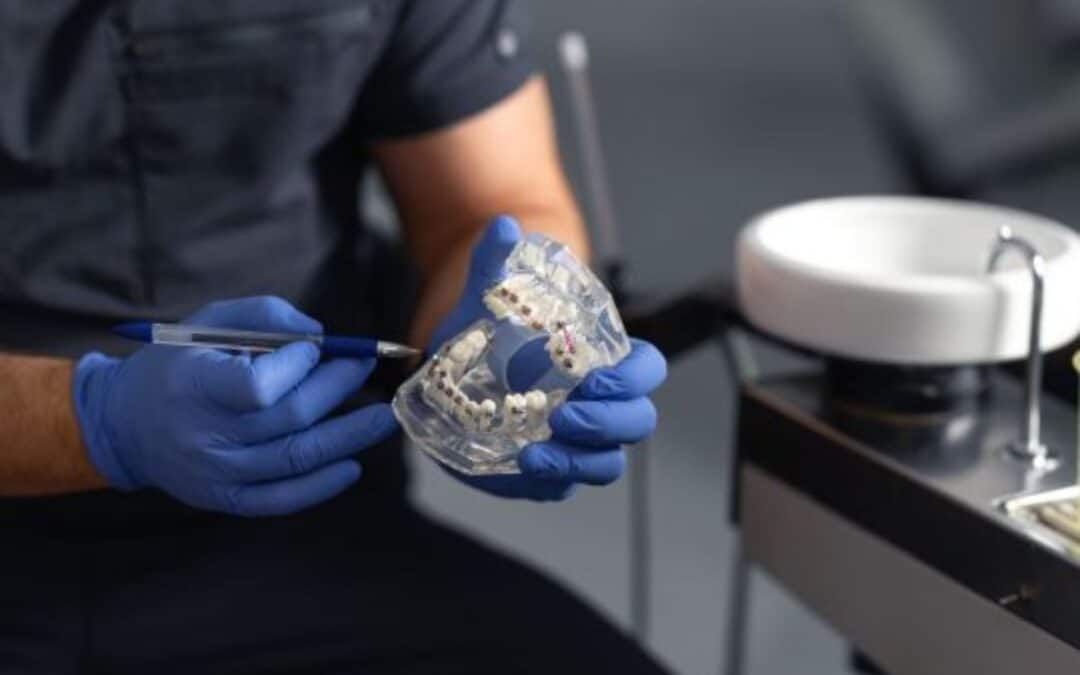
If you have been told you have an overbite or underbite, you may wonder what it means and how it can be corrected. Bite problems are very common, and modern orthodontic treatment offers predictable, effective solutions. The right approach depends on the cause, severity, and your age. Orthodontists focus not only on improving appearance but also on restoring proper function and long term oral health.
This guide explains how orthodontists diagnose and treat overbite and underbite problems and what you can expect during treatment.
What Is an Overbite and an Underbite?
An overbite occurs when the upper front teeth overlap the lower front teeth more than normal. A slight overlap is healthy, but a deep overbite can lead to tooth wear, gum irritation, and jaw discomfort over time.
An underbite happens when the lower teeth sit in front of the upper teeth. This usually occurs because of jaw misalignment. An underbite can make chewing difficult, affect speech, and change facial balance.
Both conditions vary in severity. Some involve only tooth position, while others are related to jaw structure. Identifying the cause is essential for selecting the most effective treatment.
What Causes Bite Problems?
Overbite and underbite issues can develop for several reasons. Genetics plays a major role, especially when jaw size and shape are inherited. Childhood habits such as thumb sucking, prolonged pacifier use, and tongue thrusting can also affect bite development. Other contributing factors include missing teeth, crowding, and uneven jaw growth.
Understanding whether the issue is dental, skeletal, or a combination helps orthodontists design a personalized treatment plan.
How Does an Orthodontist Diagnose the Problem?
Diagnosis begins with a comprehensive evaluation. The orthodontist examines how your teeth fit together and checks jaw alignment. Digital X rays or 3D scans may be taken to evaluate bone structure and tooth position. Photos and bite analysis help determine the severity of the problem.
After reviewing the findings, the orthodontist identifies whether the condition involves teeth, jaws, or both. This step guides treatment planning and expected timeline.
Common Treatment Options for Overbite and Underbite
Orthodontic treatment is customized based on each patient’s needs. Several methods may be used alone or in combination.
Braces
Traditional braces are one of the most effective ways to correct both overbite and underbite problems. Brackets and wires apply controlled pressure to gradually move teeth into proper alignment. Elastics are often added to help guide the jaw and improve the bite. Braces work well for mild, moderate, and complex cases and allow precise adjustments throughout treatment.
Clear Aligners
Clear aligners are a popular alternative, especially for adults. These removable trays gradually shift teeth into position. Each set is worn for about one to two weeks before moving to the next. Aligners are typically recommended for mild to moderate bite issues. Consistent wear is essential for success, usually 20 to 22 hours per day.
Elastics for Bite Correction
Elastics, also called rubber bands, are often used with braces or aligners. They apply additional force between upper and lower teeth to improve jaw alignment. Wearing them as directed plays a major role in correcting overbite and underbite problems efficiently.
Palatal Expanders for Growing Patients
In children and early teens, orthodontists may recommend a palatal expander. This appliance gradually widens the upper jaw to create space and improve bite alignment. Expanders are most effective while the jaw is still developing and can reduce the need for more complex treatment later.
Tooth Extraction in Select Cases
Sometimes removing one or more teeth helps create space and improve alignment. This approach may be recommended when crowding contributes to bite problems. Extraction is carefully planned and only used when necessary.
Jaw Surgery for Severe Cases
When bite problems are caused by significant jaw misalignment, surgery may be required, especially for adults whose jaws have finished growing. Orthognathic surgery repositions the jaw to improve function and facial balance. This treatment is typically combined with braces before and after surgery for optimal results.
Treatment Timeline: What to Expect
The length of treatment depends on the severity of the bite problem. Mild cases may take six to twelve months. Moderate cases often require twelve to twenty four months. Severe conditions, especially those involving surgery, may take eighteen to thirty six months.
Following instructions, wearing appliances as directed, and attending appointments help keep treatment on schedule.
Why Early Treatment Matters
Early orthodontic evaluation allows bite problems to be detected before they worsen. Monitoring jaw growth in children can guide development and reduce the need for more complex treatment later. However, adults can still achieve excellent results with modern orthodontic care.
What Happens If You Do Not Treat It?
Untreated overbite or underbite problems can lead to long term complications. These may include excessive tooth wear, gum recession, jaw pain, and difficulty chewing. Bite misalignment can also increase the risk of chipped or damaged teeth. Orthodontic treatment helps prevent these issues while improving overall oral health.
How to Support Your Treatment
Patients play an important role in successful orthodontic care. Wearing elastics or aligners as prescribed helps teeth move efficiently. Good oral hygiene prevents cavities and gum problems during treatment. Avoiding hard and sticky foods protects appliances. Keeping scheduled visits allows the orthodontist to monitor progress and make adjustments.
Conclusion
Orthodontists treat overbite and underbite problems using braces, clear aligners, elastics, growth modifying appliances, and in some cases, jaw surgery. The best treatment depends on the cause and severity of the condition. With a personalized plan and consistent follow through, patients can achieve a balanced bite, improved function, and a healthier smile.