

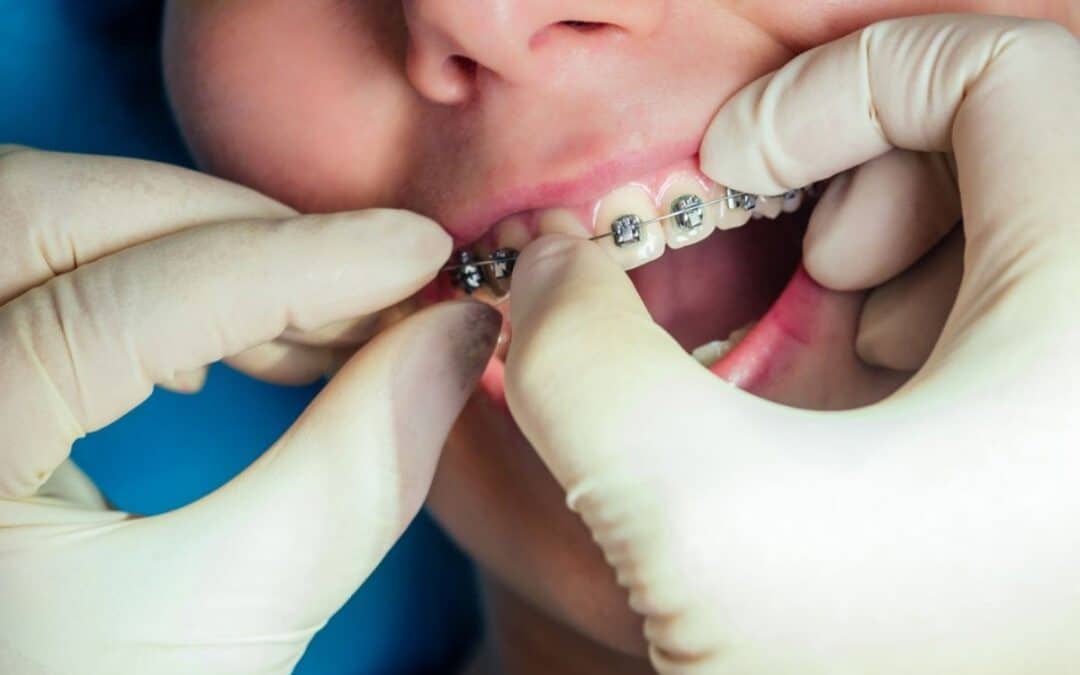
Braces are a crucial step in achieving a straight, healthy smile—but maintaining excellent oral hygiene during orthodontic treatment requires some extra attention. If you’re wearing metal braces, it’s especially important to develop a consistent and thorough cleaning routine. Plaque and food particles can quickly build up around brackets and wires, leading to potential problems like tooth decay, gum inflammation, or permanent staining.
This guide offers practical, expert-backed advice on how to keep your metal braces clean and plaque-free. Whether you’re just starting your orthodontic journey or looking to improve your routine, these tips will help ensure your treatment stays on track while preserving your overall oral health.
Why Oral Hygiene Is Critical with Braces
When you wear braces, your teeth have more surfaces where food and bacteria can hide. Without proper cleaning, this can lead to plaque buildup, which is a sticky film of bacteria that clings to teeth and gums. Over time, plaque hardens into tartar, causing decay and gum disease.
Metal brackets and wires make it more difficult to reach certain areas with a toothbrush, so even patients with a history of good brushing habits may need to make adjustments. The good news is that with a few extra steps, you can keep your teeth and braces in top shape throughout your treatment.
Daily Brushing: The Right Way to Clean Around Braces
A standard brushing routine often isn’t enough once braces are in place. For optimal results:
-
Brush after every meal: Don’t let food sit between your brackets. Brushing after eating helps remove particles before they have a chance to turn into plaque.
-
Use a soft-bristled toothbrush or electric brush: Gentle bristles are best to avoid damaging brackets or irritating gums.
-
Brush at a 45-degree angle: Tilt your brush toward the gum line and gently clean above and below the wires.
-
Don’t rush: Spend at least two full minutes brushing, making sure you clean all surfaces—especially around brackets and under wires.
Flossing with Braces: Not Optional
Flossing becomes more challenging but no less important when you have braces. Daily flossing helps clean areas your toothbrush can’t reach. Consider these options:
-
Orthodontic floss threaders: These help guide floss behind each wire.
-
Waxed dental floss: Less likely to shred or get caught in brackets.
-
Water flossers: A gentle stream of water can dislodge food and plaque from tight spaces, making them an excellent supplement to traditional flossing.
Additional Tools for Cleaner Braces
Sometimes, your standard brushing and flossing tools need some backup. These items can help take your hygiene routine to the next level:
-
Interdental brushes: These small, cone-shaped brushes can clean between wires and brackets.
-
Antibacterial mouthwash: Helps reduce the bacteria that lead to plaque buildup and freshens your breath.
-
Fluoride toothpaste or rinse: Strengthens enamel and protects against decay.
Using these tools consistently can make a noticeable difference in your oral health during orthodontic treatment.
Avoiding Foods That Contribute to Plaque
What you eat directly affects how much cleaning your braces require. Sticky, hard, or sugary foods can increase the risk of plaque. If you’re undergoing treatment with metal braces in Homewood, your orthodontist has probably recommended avoiding:
-
Gum and sticky candy
-
Hard pretzels and nuts
-
Chewy bread like bagels
-
Soda and sugary drinks
Instead, opt for softer foods that are less likely to get caught in your braces, and rinse with water after meals if brushing isn’t immediately possible.
Keep Up with Dental Visits
Even with the most diligent at-home routine, professional cleanings and checkups are essential. Dentists and hygienists have tools that can remove plaque and tartar in ways that brushing and flossing at home can’t. Be sure to:
-
Schedule regular cleanings every six months
-
Follow your orthodontist’s care instructions closely
-
Discuss any concerns like persistent bad breath or sore gums
Final Thoughts
Keeping your metal braces clean and plaque-free isn’t just about aesthetics—it’s a critical part of maintaining healthy teeth and gums during orthodontic treatment. With consistent care, smart food choices, and regular professional cleanings, you can avoid complications and ensure your smile looks its best when the braces finally come off. Scheduling a consultation with an expert can make your treatment smoother and your smile healthier.