

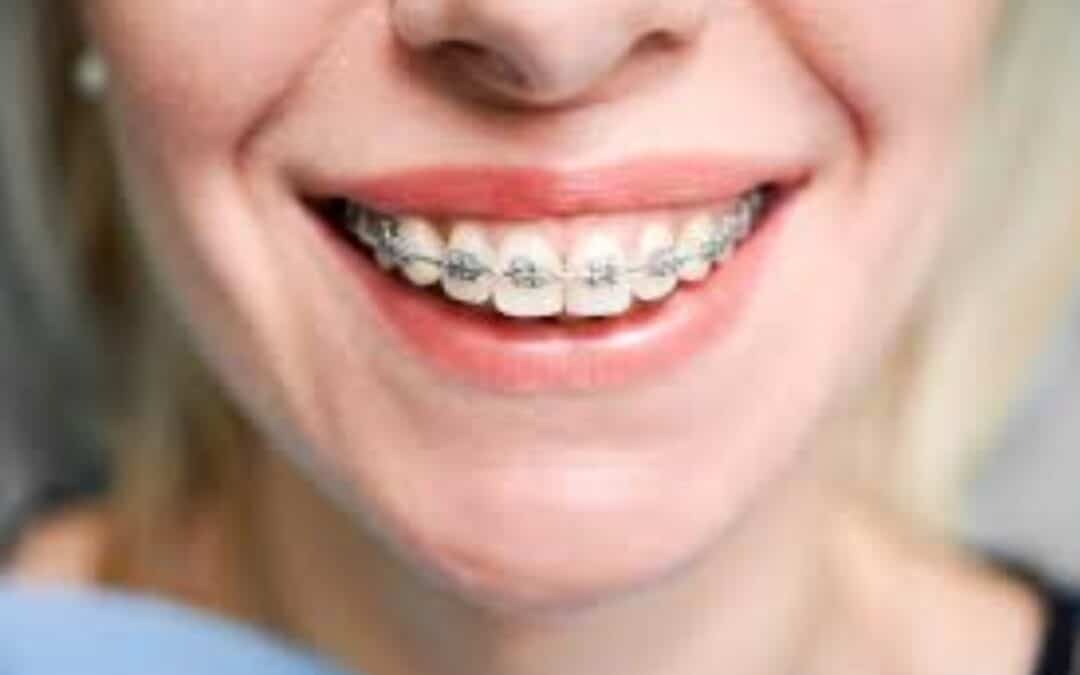
Metal braces are popular for straightening teeth but can sometimes cause discomfort. Whether it’s from the initial placement or routine adjustments, there are ways to reverse this. Let’s explore some effective strategies to manage the pain and make wearing metal braces more comfortable.
Why Do Braces Cause Discomfort?
Braces work by gradually shifting teeth into the correct position, creating pressure. This impact often leads to discomfort, especially right after getting braces or following an adjustment. Wires and brackets may also rub against the inner cheeks and lips, causing irritation. While this discomfort is temporary, managing it is possible with an orthodontist.
Let’s take a look at the ways to elevate comfort with traditional braces.
Use Orthodontic Wax to Protect Your Mouth
Orthodontic wax is the most effective method for preventing irritation due to metal braces. The brackets and wires can sometimes feel sharp, especially in the beginning. Between your mouth’s soft tissues and the braces, wax serves as a protective barrier.
How to Use It?
Pinch a small piece of wax, soften it with your fingers, and place it over any bothersome bracket or wire. It will help soothe the area and prevent further irritation. Make sure to remove it before eating and replace it as needed.
Rinse with Salt Water to Reduce Inflammation
Salt water rinses can significantly reduce soreness in your mouth. The salt works as an anti-inflammatory, helping to heal any small sores or irritated spots caused by braces.
How to Do It?
Take a glass of warm water, and add half a teaspoon of salt to it. After 30 seconds of rinsing it around your mouth, spit it out. Repeat this twice a day for relief.
Eat Soft, Cold Foods to Soothe Pain
Your teeth may feel sore right after you get your braces or after an adjustment. Eating soft, cold foods can help ease this discomfort.
What to Eat?
For the first few days, stick to soft foods like yogurt, smoothies, mashed potatoes, or applesauce. Cold treats like ice cream or frozen yogurt can also provide relief by numbing the affected area.
Take Over-the-Counter Pain Relievers
Over-the-counter pain relievers like ibuprofen or acetaminophen can help if the discomfort is persistent. Always follow the recommended dosage on the packaging and consult your orthodontist before taking the medication regularly.
Important Tip:
Take pain relievers shortly before your appointment to minimize discomfort during and after adjustments. It helps manage the pain before it intensifies.
Avoid Hard, Sticky Foods
Certain foods can increase the likelihood of pain or even damage your braces. Hard, crunchy, or sticky foods can bend wires or cause brackets to loosen, leading to discomfort.
Foods to Avoid:
Steer clear of popcorn, nuts, hard candy, gum, and chewy candies like caramel. These can not only hurt your braces but also make the discomfort worse.
Adjust to Tightening Appointments Gradually
Adjustments are a necessary part of the braces process and can cause discomfort as your teeth shift. However, this soreness is usually temporary and will subside within a few days.
How to Cope?
Stick to soft foods and use orthodontic wax if needed. Take pain relievers if recommended. Most importantly, stay patient—each adjustment brings you one step closer to a beautiful smile.
Maintain Good Oral Hygiene
Proper dental hygiene can make wearing braces much more comfortable. Food particles and plaque can get stuck around your braces, leading to irritation or even infections that can cause pain.
Brushing and Flossing:
Use fluoride toothpaste and a toothbrush with soft bristles to brush your teeth after every meal. Make sure you carefully clean the area surrounding the wires and brackets. Flossing with braces can be tricky, so use a floss threader or orthodontic floss to get between your teeth without disturbing your braces.
Try a Warm Compress for Relief
A warm compress can be another effective way to relieve discomfort with braces. It helps relax your facial muscles and reduces any swelling or soreness in your mouth.
How to Use It?
A heated washcloth or heating pad can be used. Apply it on the afflicted area for about ten to fifteen minutes. This can be especially helpful for jaw pain that comes with braces adjustments.
The initial discomfort from braces can be frustrating, but remember that it’s temporary. As your mouth adjusts to the braces over time, the soreness will become less noticeable. Your orthodontist is there to help, so don’t hesitate to reach out with any concerns. The journey may feel long, but the result—a straighter, healthier smile—is worth the temporary aches and pains.
Managing discomfort with metal braces doesn’t have to be overwhelming. Simple solutions like orthodontic wax, soft foods, and proper oral care can make all the difference. Always approach your orthodontist to address any persistent pain or concerns with orthodontic braces. Book a consultation today for a smoother, more comfortable journey to a healthy and straight smile.