

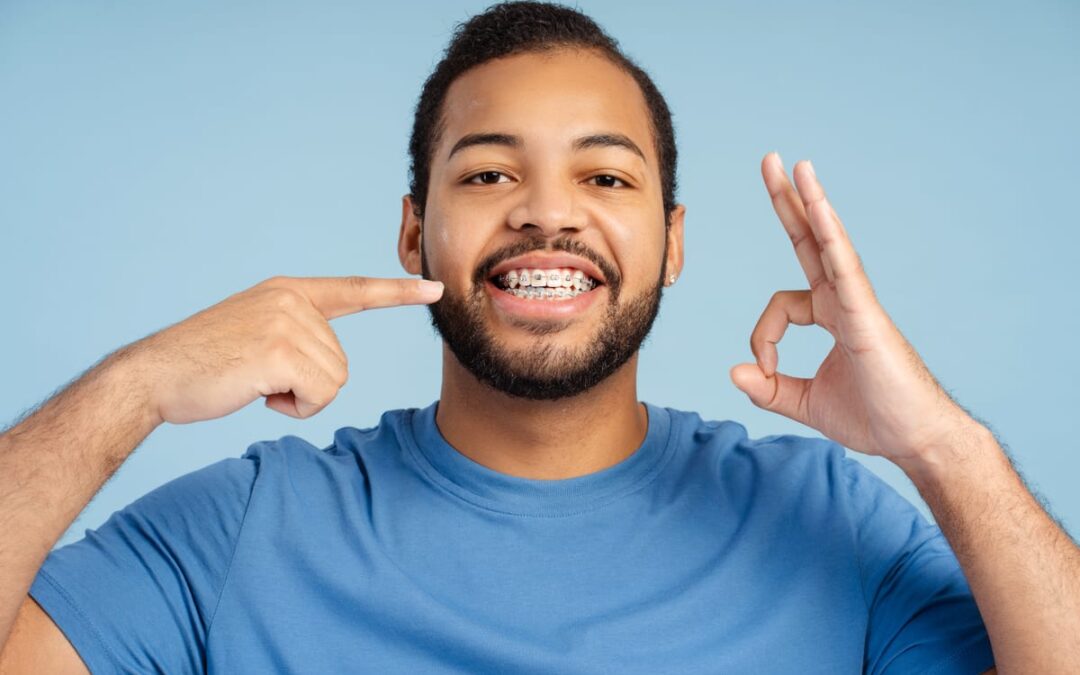
Starting orthodontic treatment as an adult feels like a big step. At Grant Orthodontics in Homewood, we hear the same questions from nearly every adult patient who walks through our door. These questions are smart, valid, and worth answering honestly. If you are exploring adult braces, this guide addresses exactly what you need to know before treatment starts in Homewood.
Question 1: Am I Too Old for Braces?
This is the most common concern we hear. The short answer is no — there is no age limit for orthodontic treatment. Teeth can move at any stage of adult life when the bone and gum tissue are healthy.
Many of our patients begin treatment in their 30s, 40s, and even 50s. Age alone does not disqualify anyone from wearing braces. What matters most is the current health of your teeth and gums.
We conduct a thorough evaluation at your first visit. That assessment tells us exactly what is possible for your specific smile. Most adults are excellent candidates for treatment.
Question 2: What Are My Treatment Options as an Adult?
Adults today have more choices than ever before. Traditional metal braces remain a reliable and effective option for correcting complex bite issues and crowding. They are durable, precise, and often the fastest route to results.
Clear aligner therapy is another popular path. Invisalign In Homewood Il Homewood offers a virtually invisible way to straighten teeth without fixed metal brackets. Many working adults prefer this option for its discreet appearance.
Some patients ask about options for younger family members too. Invisalign Teen In Homewood Il Homewood is designed specifically for teenage patients with active lifestyles. Our team helps every patient find the option that fits their life best.
- Traditional metal braces for complex corrections
- Clear ceramic braces for a subtler look
- Invisalign clear aligners for maximum flexibility
- Retainers for minor post-treatment adjustments
Question 3: Will Braces Affect My Daily Life?
This question comes up constantly, and we appreciate the honesty behind it. Adults have jobs, social commitments, and busy schedules. It is completely reasonable to ask how treatment will fit into real life.
The first one to two weeks with braces involve an adjustment period. You may notice mild soreness as your teeth begin to shift. Most patients find this manageable with over-the-counter pain relief and soft foods.
Speech is rarely a significant issue with braces. Clear aligners may cause a brief adjustment in speech while your tongue adapts. Most patients feel fully comfortable within a few days.
Food restrictions apply with traditional braces. You will need to avoid hard, sticky, or crunchy foods that can damage brackets. Your orthodontist will give you a clear list of what to enjoy and what to skip.
- Soft foods are your best friends during the first week
- Brush and floss carefully around brackets or aligners
- Carry a small dental kit for cleaning after meals
- Schedule adjustment appointments every four to eight weeks
- Keep aligner trays in for 20 to 22 hours daily if using Invisalign
Question 4: How Long Will Treatment Take?
Treatment timelines vary based on each patient’s needs. Minor crowding or spacing issues may resolve in as little as six to twelve months. More complex bite corrections can take eighteen to twenty-four months or longer.
Several factors influence your timeline. The severity of your misalignment plays the biggest role. Your consistency with treatment — wearing aligners as directed or attending all adjustment visits — also matters significantly.
Adults sometimes take slightly longer than teenagers to complete treatment. This is because adult bone is denser and less responsive to pressure. However, modern orthodontic technology has narrowed that gap considerably.
Your orthodontist will give you a personalized timeline estimate at your consultation. That estimate gives you a realistic picture from the very start. Honest timelines help you plan your life around treatment.
Question 5: Will My Results Last After Braces Come Off?
Retention is one of the most important parts of orthodontic treatment. Once braces are removed, teeth have a natural tendency to drift back toward their original positions. This process is called relapse, and it is preventable.
Wearing your retainer as directed stops relapse from happening. Most patients wear retainers full-time for the first few months after treatment. After that, nightly wear typically keeps your smile stable long term.
We custom-fit every retainer to your unique smile. Fixed retainers — thin wires bonded behind the teeth — are another option for added peace of mind. Your orthodontist will discuss the best retention plan for you at your final visit.
Committing to retainer use protects the investment you made in treatment. Patients who wear retainers consistently enjoy lasting, beautiful results for years. It truly is the final and most important step in your orthodontic journey.
Starting Your Orthodontic Journey in Homewood
At Grant Orthodontics, we believe every adult deserves a smile they feel proud of. Braces are not just for teenagers — they are for anyone ready to invest in their oral health and confidence. Our Homewood team creates personalized treatment plans that work around adult lives and schedules.
We know starting treatment can feel daunting. That is why we answer every question thoroughly before you commit to anything. Transparency and patient education guide everything we do at our practice.
Your consultation is a judgment-free conversation about your goals and your options. We walk you through every step so there are no surprises along the way. Ready to take the first step toward your best smile? Book Now to schedule your appointment with our team.
Frequently Asked Questions
Is it normal to feel self-conscious about getting braces as an adult?
Absolutely. Many adults feel this way at first. Most patients quickly discover that others rarely notice braces as much as they expect. The confidence boost from a straighter smile far outweighs any temporary self-consciousness during treatment.
How do I know if braces or Invisalign is right for me?
The best way to find out is through a professional consultation. Your orthodontist will evaluate your bite, spacing, and alignment needs. From there, they recommend the treatment option most likely to deliver the results you want in the shortest time.
Will I need teeth removed before getting adult braces?
Not necessarily. Extractions are only recommended when there is significant crowding with no other way to create space. Many adults complete full orthodontic treatment without any extractions. Your consultation will clarify whether extractions are needed in your case.
Can I whiten my teeth while wearing braces?
Whitening during active braces treatment is generally not recommended. Bleaching agents cannot reach under brackets evenly, which can cause uneven color results. Most patients choose professional teeth whitening after braces are removed for the most consistent, stunning outcome.
What happens if I skip retainer wear after treatment?
Skipping retainer use allows teeth to gradually drift back toward their pre-treatment positions. Even small amounts of shifting can undo months of progress. Consistent retainer wear as directed by your orthodontist is the key to keeping your results for a lifetime.