

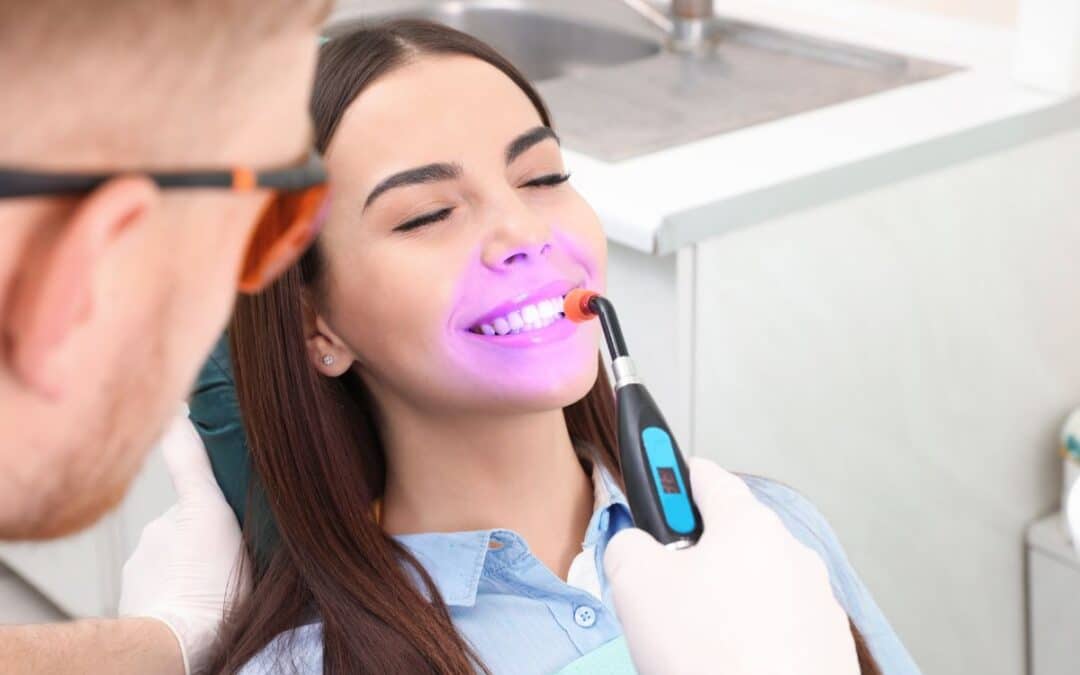
If your teeth seem to lose their brightness sooner than expected, your daily habits may be the reason. While teeth whitening can noticeably improve the appearance of your smile, the results are not permanent. Foods, drinks, oral hygiene routines, and other lifestyle choices all play a role in how long your teeth stay white. Understanding these habits can help you protect your investment and enjoy a brighter smile for as long as possible. If you live in or around Homewood, making a few simple changes to your routine can go a long way toward maintaining your whitening results.
Why Teeth Become Stained Again
Teeth naturally absorb pigments from the foods and beverages you consume. The outer layer of your teeth, called enamel, contains tiny pores that can trap staining particles over time. Even after whitening treatment, these pores continue to absorb pigments, especially if they are exposed to dark colored foods and drinks regularly.
Although staining is a normal part of life, healthy habits can slow the process and help your smile remain brighter between whitening treatments.
Drinking Coffee Every Day
Coffee is one of the most common causes of tooth discoloration. Its dark pigments, combined with natural acids, make it easier for stains to settle on the enamel.
You do not necessarily have to stop drinking coffee. Instead, consider these simple habits:
- Drink coffee in one sitting rather than sipping it throughout the day.
- Rinse your mouth with water afterward.
- Brush your teeth about 30 minutes later instead of immediately.
- Use a straw for iced coffee when possible.
These small adjustments can help reduce new stains from forming.
Tea Can Stain Teeth More Than You Think
Many people believe tea is gentler on teeth than coffee, but certain varieties contain high levels of tannins that contribute to discoloration. Black tea, dark herbal teas, and some green teas can gradually stain enamel with frequent use. Choosing lighter teas occasionally and rinsing your mouth afterward may help minimize staining.
Drinking Red Wine Regularly
Red wine contains deep pigments, acids, and tannins, making it one of the strongest contributors to tooth staining. If you enjoy wine, drinking water between sips and practicing good oral hygiene afterward may help reduce its effects on your teeth.
Smoking or Using Tobacco Products
Tobacco products are well known for causing yellow or brown stains that become increasingly difficult to remove over time. In addition to affecting the appearance of your smile, tobacco increases the risk of gum disease, tooth loss, and oral cancer. Patients who stop smoking often find it much easier to maintain the results of professional teeth whitening.
Skipping Your Daily Oral Hygiene Routine
Even the most effective whitening treatment cannot overcome poor oral hygiene. Plaque attracts stains and allows discoloration to build up more quickly. Brushing twice each day and flossing daily help remove food particles before they contribute to staining. Routine professional cleanings also remove surface stains that regular brushing may miss.
Frequently Eating Dark Colored Foods
Many healthy foods contain natural pigments that can stain teeth over time.
Examples include:
- Blueberries
- Blackberries
- Cherries
- Tomato based sauces
- Soy sauce
- Balsamic vinegar
- Curry
You do not have to eliminate these foods from your diet. Simply rinsing your mouth with water after eating can help reduce staining.
Drinking Sugary and Acidic Beverages
Soft drinks, sports drinks, and flavored beverages often contain acids that gradually weaken enamel. When enamel becomes rougher, stains can cling to the surface more easily. Choosing water more often and limiting acidic drinks may help preserve both your whitening results and your overall oral health.
Not Drinking Enough Water
Water naturally washes away food particles, bacteria, and staining pigments throughout the day. People who stay hydrated often experience less buildup on their teeth compared to those who primarily consume coffee, soda, or juice. Drinking water after meals is one of the easiest ways to support a brighter smile.
Ignoring Regular Dental Visits
Routine dental checkups are important even after whitening treatment. Professional cleanings remove plaque and surface stains that develop gradually over time. Your dental team can also identify early signs of oral health concerns before they become more serious. Many patients choose occasional whitening touch ups during routine visits to help maintain consistent results.
Choosing Store Bought Products Instead of Professional Care
Many over the counter whitening products can improve minor stains, but they often produce less noticeable or less consistent results than professional treatment. A customized whitening plan provides stronger whitening agents, professional guidance, and treatment recommendations based on your individual smile.
Patients looking for the best teeth whitening in Homewood often appreciate having options tailored to their goals instead of relying on one size fits all products.
How to Keep Your Smile Whiter for Longer
Maintaining your results does not require major lifestyle changes. A few consistent habits can make a significant difference.
Helpful tips include:
- Brush twice every day using fluoride toothpaste.
- Floss daily.
- Drink water after dark beverages.
- Limit frequent snacking on staining foods.
- Schedule routine dental cleanings.
- Consider periodic whitening touch ups when recommended by your dental professional.
Consistency is often more important than making dramatic changes.
Keep Your Smile Looking Its Best
A brighter smile is easier to maintain when you understand how everyday habits affect your teeth. Coffee, tea, wine, tobacco, poor oral hygiene, and certain foods can gradually reduce the effects of whitening, but simple preventive steps can help protect your results. By practicing good oral hygiene and making mindful choices each day, you can enjoy a whiter smile for much longer.
At Grant Orthodontics, we understand that a confident smile is about more than straight teeth. If you are interested in learning more about teeth whitening or maintaining your results, our team is happy to discuss your options and recommend solutions that fit your needs. Whether you are considering whitening for the first time or looking for ways to preserve your brighter smile, we are here to help. Schedule a consultation today!
Frequently Asked Questions
How long do teeth whitening results typically last?
Results vary from person to person, but many patients enjoy a brighter smile for several months to a few years depending on their daily habits and oral hygiene.
Does coffee always stain whitened teeth?
Coffee can contribute to staining over time, but drinking it in moderation and rinsing with water afterward can help reduce discoloration.
Can I eat normally after teeth whitening?
It is generally recommended to avoid dark colored foods and beverages for at least the first 24 to 48 hours after whitening, as your teeth may be more susceptible to staining during that time.
Is professional teeth whitening better than store bought products?
Professional treatments typically provide more noticeable, longer lasting, and more consistent results because they use stronger whitening agents under professional supervision.
How often should I have my teeth whitened?
The ideal schedule depends on your lifestyle and how quickly stains return. Your dental professional can recommend the right timing based on your individual needs.
Does brushing more often keep teeth whiter?
Brushing twice a day helps remove plaque and surface stains, but excessive brushing does not make teeth whiter and may wear down enamel over time. Proper brushing technique is more important than brushing more frequently.