

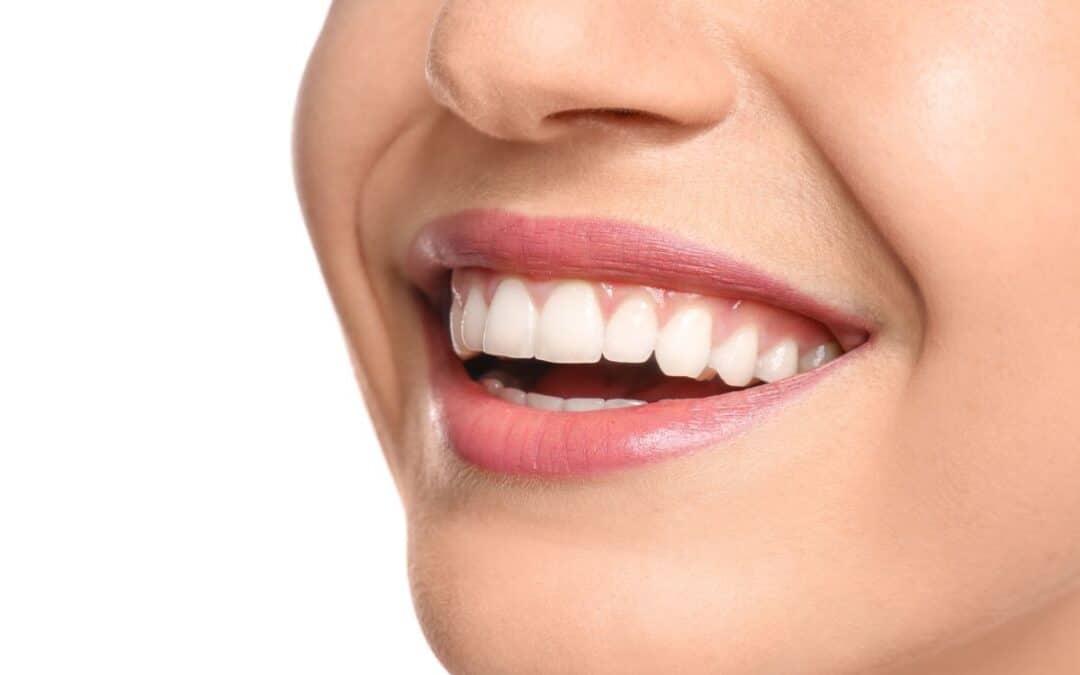
You have just completed your teeth whitening treatment, and your smile looks noticeably brighter. Naturally, the next question is how to keep it that way for as long as possible. Teeth whitening is not permanent, but with the right habits, you can maintain your results for months or even years. The key is consistent care, mindful eating, and regular dental visits.
This guide explains how to maintain your smile after teeth whitening using simple, dentist-recommended practices.
Why Teeth Whitening Results Do Not Last Forever
Teeth whitening removes stains from enamel, but it does not make teeth resistant to future discoloration. Over time, teeth are exposed to pigmented foods and drinks, natural aging, tobacco use, and daily wear. These factors gradually cause stains to return. How quickly this happens depends largely on your daily habits and oral hygiene routine.
The First 48 Hours Matter Most
The first 48 hours after whitening are the most important. During this period, enamel is more porous and more likely to absorb stains. Many dentists recommend following a white diet to protect your results.
Avoid coffee, tea, red wine, cola, dark sauces, berries, and tobacco. Instead, choose lighter foods such as water, milk, plain rice, pasta, chicken, fish, bananas, and apples without skin. This short period plays a major role in preserving your initial brightness.
Maintain a Strong Daily Oral Hygiene Routine
Good oral hygiene is the foundation for keeping your smile bright. Brush your teeth twice a day using a soft bristled toothbrush and fluoride toothpaste. Spend at least two minutes brushing and clean all tooth surfaces thoroughly.
You may use a whitening toothpaste a few times per week to help remove surface stains, but avoid overuse since some formulas can be abrasive. Flossing daily is equally important. It removes plaque and debris between teeth where stains often develop and helps keep your smile evenly bright.
Using a dentist recommended, alcohol free mouthwash can also help reduce plaque and maintain freshness. Avoid heavily colored mouthwashes that may contribute to staining.
Watch What You Eat and Drink
Your diet plays a significant role in how long whitening results last. Common stain causing foods and drinks include coffee, tea, red wine, dark sodas, chocolate, tomato based sauces, and soy sauce. You do not have to eliminate these completely, but moderation is important.
Simple habits can make a big difference. Drink staining beverages through a straw, rinse your mouth with water afterward, and avoid sipping slowly over long periods. These small adjustments help reduce the amount of pigment that contacts your teeth.
Some foods may actually support a brighter smile. Crunchy fruits and vegetables such as apples, carrots, and celery help clean teeth naturally. Dairy products like milk, cheese, and yogurt support enamel strength. Nuts and seeds can also help reduce surface buildup.
Avoid Tobacco Products
Smoking and tobacco use are among the fastest ways to reverse whitening results. They cause deep stains, yellow or brown discoloration, and increase the risk of gum disease. If you want to maintain your whitening results, avoiding tobacco is one of the most effective steps you can take.
Stay Hydrated Throughout the Day
Drinking water regularly helps wash away food particles, neutralize acids, and reduce stain buildup. Try to rinse your mouth after meals, especially when brushing is not immediately possible. Water is one of the simplest ways to protect your teeth whitening results.
Schedule Regular Dental Cleanings
Professional dental cleanings play an important role in maintaining a bright smile. Cleanings remove plaque, tartar, and surface stains that brushing alone cannot eliminate. They also allow your dentist to monitor your oral health and recommend touch ups if needed.
Most patients benefit from professional cleanings every six months, although some may require more frequent visits depending on their oral health and lifestyle habits.
Consider Whitening Touch Ups
Teeth whitening is not permanent, but touch up treatments can help maintain your results. Options may include at home whitening trays, whitening strips, or occasional in office touch up sessions. Your dentist can recommend how often you should refresh your whitening based on your staining habits.
It is important to avoid over whitening. Excessive use of whitening products may lead to tooth sensitivity, enamel irritation, and uneven color. Always follow professional guidance before repeating treatments.
Manage Tooth Sensitivity
Some patients experience temporary sensitivity after whitening. This usually resolves on its own, but you can reduce discomfort by using desensitizing toothpaste, avoiding very hot or cold foods, and spacing out whitening treatments. If sensitivity continues, consult your dentist for recommendations.
How Long Do Whitening Results Last
With proper care, teeth whitening results typically last six months to one year. Patients who maintain excellent oral hygiene, limit staining foods, and schedule regular cleanings may enjoy results for even longer. Those with frequent exposure to staining habits may notice discoloration sooner.
Conclusion
Maintaining your smile after teeth whitening does not require drastic changes. Consistent oral hygiene, smart dietary choices, and regular dental visits can help preserve your results for longer. Avoid staining habits, stay hydrated, and consider occasional touch ups when needed.
A brighter smile is not only about appearance. It also reflects healthy habits and good oral care. By following these simple steps, you can keep your teeth looking whiter and your smile feeling confident long after your whitening treatment.