

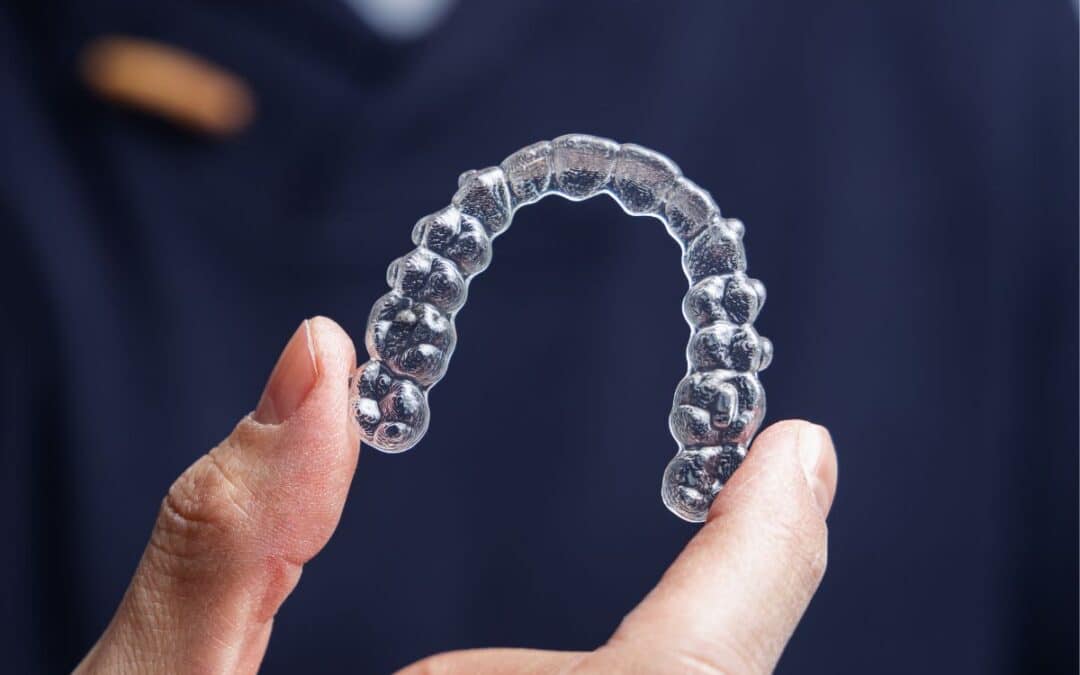
Many adults notice that their teeth begin to shift years after braces, even if they once had a beautifully straight smile. This is known as orthodontic relapse, and it is more common than many people realize. The good news is that Invisalign offers a discreet and effective way to correct mild to moderate tooth movement without traditional braces. If you have noticed your teeth becoming crowded, gaps reappearing, or your bite feeling different, an evaluation can help determine whether Invisalign is the right solution. For adults in and around Homewood, this modern treatment option makes it easier than ever to regain a healthy, confident smile.
What Is Orthodontic Relapse?
Orthodontic relapse occurs when teeth gradually move out of their corrected positions after orthodontic treatment. Even after braces or clear aligners, teeth naturally have a tendency to shift over time. This movement may happen slowly, making it difficult to notice until the changes become more obvious. Some people see only minor crowding, while others experience changes that affect both the appearance and function of their smile.
Fortunately, relapse does not usually mean you need to repeat your original treatment. In many cases, Invisalign provides an effective way to restore proper alignment.
Why Do Teeth Shift After Braces?
Several factors contribute to orthodontic relapse. Understanding these causes can help explain why teeth may no longer look as straight as they once did.
Common reasons include:
- Not wearing retainers as instructed
- Natural aging and changes in the jaw
- Teeth grinding or clenching
- Tooth loss that allows neighboring teeth to move
- Changes in gum or bone support
Even patients who followed every recommendation may experience some movement over the years. Teeth are never completely fixed in one position, which is why long term retention is so important.
Signs You May Benefit From Invisalign
Not every shift requires treatment, but certain changes are worth having evaluated.
You may be a good candidate if you notice:
- Crowded front teeth
- Small gaps reopening
- Teeth that appear crooked again
- Changes in the way your teeth fit together
- Difficulty flossing because teeth overlap
- A smile that no longer looks as straight as it once did
An orthodontic consultation helps determine whether Invisalign can address your concerns.
How Invisalign Corrects Orthodontic Relapse
Invisalign uses a series of custom made clear aligners that gently move teeth into better alignment. Each set of aligners applies controlled pressure, gradually guiding the teeth toward their planned positions. Unlike traditional braces, Invisalign aligners are removable. Patients can take them out while eating, brushing, and flossing, making it easier to maintain good oral hygiene throughout treatment. Because the aligners are nearly invisible, many adults appreciate being able to improve their smile without drawing attention to their treatment.
Benefits of Invisalign for Adults
Many adults choose Invisalign because it fits comfortably into their daily routine.
Some of the advantages include:
A More Discreet Appearance
The clear aligners are difficult to notice during conversations or photographs, making them popular among working professionals and adults.
Comfortable Fit
Each aligner is custom designed to fit your teeth. Since there are no brackets or wires, many patients experience less irritation inside the mouth.
Easy Oral Hygiene
Because the aligners are removable, brushing and flossing remain much simpler than with traditional braces.
Fewer Office Visits
Patients typically receive several sets of aligners at each appointment, reducing the need for frequent adjustment visits.
Is Invisalign Effective for Every Case?
While Invisalign can successfully treat many cases of orthodontic relapse, it may not be the best solution for everyone.
The effectiveness depends on factors such as:
- The amount of tooth movement needed
- Your bite alignment
- Previous orthodontic history
- Overall oral health
During your consultation, an orthodontist will evaluate your teeth, take digital images, and recommend the treatment that best fits your needs.
What to Expect During Treatment
Every treatment plan is personalized, but the general process is straightforward. Your orthodontist will create a digital treatment plan that maps each stage of tooth movement. Custom aligners are then fabricated specifically for your smile. Patients generally wear each aligner for about one to two weeks before moving to the next set. For the best results, aligners should be worn approximately 20 to 22 hours each day. Regular progress appointments allow your orthodontist to ensure treatment is moving as planned.
Why Retainers Still Matter
One of the biggest lessons many adults learn after orthodontic relapse is the importance of wearing retainers. After Invisalign treatment is complete, retainers help maintain your newly aligned smile and reduce the chance of future shifting. Wearing your retainer as recommended remains one of the most effective ways to protect your investment in orthodontic treatment.
Choosing an Experienced Invisalign Provider
Successful treatment begins with an accurate diagnosis and a personalized treatment plan. Working with an experienced Invisalign provider ensures your tooth movement is carefully planned and monitored throughout the process. Digital imaging, customized aligners, and regular evaluations all contribute to predictable, lasting results.
Patients looking for Invisalign treatment in Homewood often value an orthodontic team that takes the time to explain each step and answer questions throughout treatment.
Discover If Invisalign Is Right for You
Orthodontic relapse is common, but it does not mean you have to accept shifting teeth or repeat your original braces experience. Invisalign offers a comfortable, discreet, and effective way for many adults to restore their smile while fitting easily into everyday life. An orthodontic evaluation can determine whether clear aligners are the right solution for your specific needs.
If your teeth have shifted since previous orthodontic treatment, Grant Orthodontics can help you explore your options. Our team creates personalized treatment plans designed to improve alignment, support long term oral health, and help you achieve a smile you feel confident sharing. Scheduling a consultation is the first step toward finding the solution that fits your goals.
Frequently Asked Questions
Can Invisalign fix teeth that shifted after braces?
Yes. Invisalign can often correct mild to moderate orthodontic relapse by gradually moving teeth back into proper alignment.
Why do teeth move years after orthodontic treatment?
Teeth naturally shift over time due to aging, changes in the jaw, inconsistent retainer use, or other oral health factors.
How long does Invisalign treatment take for orthodontic relapse?
Treatment time varies depending on the amount of movement needed, but many adults complete treatment within several months to about a year.
Do I still need to wear a retainer after Invisalign?
Yes. Wearing a retainer after treatment helps keep your teeth in their new positions and reduces the risk of future shifting.
Is Invisalign painful?
Most patients experience mild pressure when starting a new aligner, but this usually fades within a few days as the teeth begin to adjust.
Am I too old for Invisalign?
No. Invisalign is a popular orthodontic option for adults of all ages who want to improve their smile and correct tooth alignment.