

A bright, dazzling smile is a universal symbol of confidence and beauty. However, factors such as age, diet, and lifestyle choices can lead to teeth staining and discoloration over time. Fortunately, teeth whitening has become a popular and accessible solution to restore your pearly whites. In this ultimate guide to teeth whitening, we’ll explore the key methods, tips, and considerations to help you achieve a radiant smile.
Understanding Teeth Discoloration
Before diving into teeth whitening techniques, it’s essential to understand why teeth can become discolored. There are two primary types of tooth discoloration:
1. Extrinsic Stains:
These stains occur on the outer surface of the tooth enamel and are typically caused by factors like food and beverage consumption (coffee, tea, red wine), smoking, and poor oral hygiene.
2. Intrinsic Stains:
Intrinsic stains develop within the tooth structure and are often the result of factors like aging, trauma, certain medications, or excessive fluoride exposure during tooth development.
Teeth Whitening Methods
Teeth whitening methods can be broadly categorized into two main approaches: professional and at-home treatments.
1. Professional Teeth Whitening:
Professional teeth whitening is conducted by dental professionals in a clinical setting. It offers fast and dramatic results. Two common methods include:
a. In-Office Whitening:
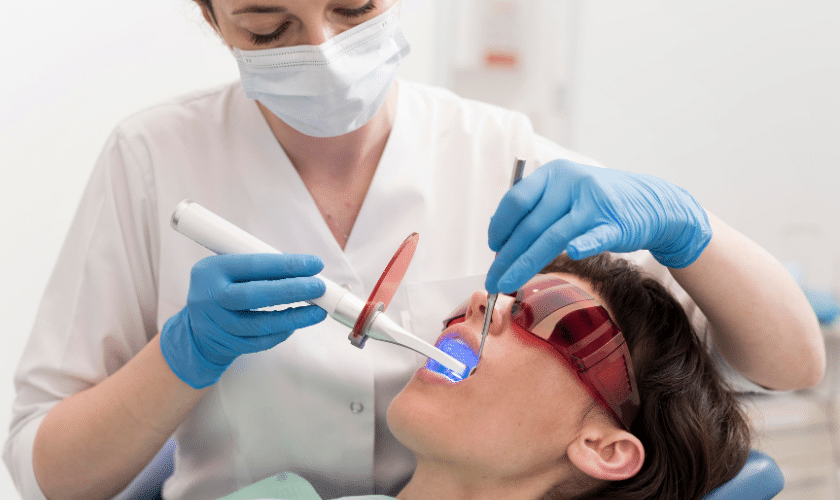
This method involves the application of a highly concentrated bleaching gel to the teeth, activated by a specialized light or laser. It can provide significant whitening in just one or two sessions.
b. Take-Home Whitening Trays:
Dentists can also provide custom-made whitening trays and professional-grade bleaching gel for at-home use. This approach offers more gradual results but allows for convenient and controlled whitening.
2. At-Home Teeth Whitening:
At-home teeth whitening options are available over the counter and provide convenience and affordability. Popular methods include:
a. Whitening Strips:
These thin, flexible strips are coated with a whitening gel and applied directly to the teeth. They are typically worn for 30 minutes to an hour daily over a few weeks.
b. Whitening Toothpaste:
Whitening toothpaste contains abrasive particles and mild bleaching agents that help remove surface stains. While they can provide subtle improvements, they are less effective for deeper stains.
c. Whitening Trays and Gels:
Over-the-counter whitening trays and gels work similarly to professional take-home kits but with lower concentrations of bleaching agents. They may take longer to achieve noticeable results.
d. Charcoal Toothpaste:
Activated charcoal toothpaste has gained popularity for its purported ability to remove stains and whiten teeth. However, its long-term effects and safety are still debated in the dental community.
Tips for Effective Teeth Whitening
Achieving a dazzling smile through teeth whitening is possible with these tips in mind:
1. Consult a Dentist:
Before starting any whitening regimen, consult with a dentist to ensure your teeth and gums are healthy and suitable for whitening.
2. Choose the Right Method:
Consider your specific needs and goals when selecting a teeth whitening method. Professional treatments are generally more effective for deep stains, while at-home options work well for mild discoloration.
3. Follow Instructions:
Whether using professional or at-home products, always follow the instructions provided to avoid overuse and potential sensitivity.
4. Maintain Good Oral Hygiene:
Regular brushing and flossing, along with routine dental check-ups, are crucial for maintaining your whitened smile.
5. Watch Your Diet:
Limit consumption of staining foods and beverages, such as coffee, tea, and red wine. When you do indulge, rinse your mouth with water afterward.
6. Avoid Smoking:
Smoking is a leading cause of tooth discoloration. Quitting smoking not only improves your overall health but also helps maintain a whiter smile.
7. Stay Hydrated:
Drinking plenty of water can help prevent stains and maintain overall oral health.
8. Be Patient:
Teeth whitening results may not be immediate, especially with at-home methods. Stay consistent and patient for the best outcome.
Safety Considerations
While teeth whitening is generally safe, it’s essential to be aware of potential side effects, including tooth sensitivity and gum irritation. These side effects are often temporary and can be managed with desensitizing toothpaste or by adjusting the frequency of treatment.
Conclusion
A dazzling smile is within reach for anyone seeking to brighten their teeth. By understanding the types of tooth discoloration, exploring different teeth whitening methods, and following tips for effective whitening, you can achieve the radiant smile you desire. Whether you opt for professional treatments or at-home solutions, consult with a dentist to ensure safe and successful teeth whitening. With the right approach and a commitment to good oral hygiene, you can enjoy a brilliant, confident smile that lights up any room.