
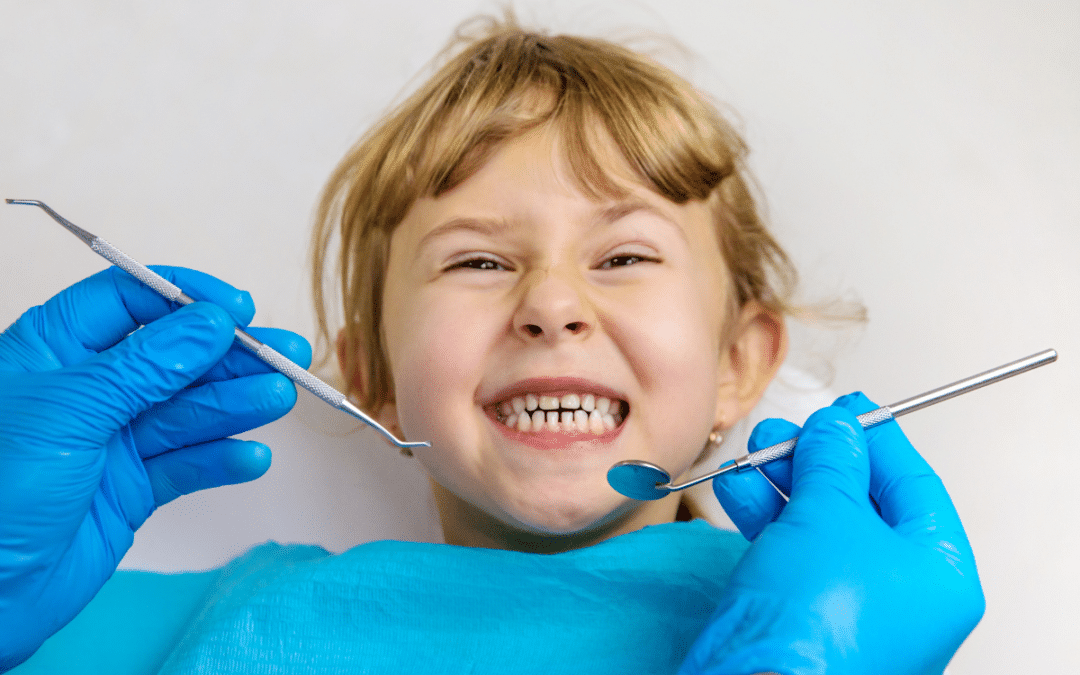
As a parent, you want to give your child every advantage, including a healthy, confident smile that serves them well for the rest of their life. But with so much conflicting information out there, it can be hard to know when orthodontic treatment is actually necessary and when to seek professional advice. At Grant Orthodontics in Homewood, IL, we guide hundreds of families through this exact question every year. Here’s everything you need to know about early orthodontic care for your child.
What Age Should a Child First See an Orthodontist?
The American Association of Orthodontists recommends that children receive their first orthodontic evaluation by age 7. This may seem early after all, most 7-year-olds still have a mix of baby teeth and permanent teeth. But that’s precisely the point. By age 7, enough permanent teeth have come in for an orthodontist to identify developing problems that may not be visible to the untrained eye.
At Grant Orthodontics, we offer complimentary consultations so parents can get a professional assessment of their child’s dental development without any financial commitment. Most children won’t need treatment at 7, but early evaluation allows us to monitor growth and intervene at exactly the right time if problems do arise.
What Is Phase 1 (Early) Orthodontic Treatment?
Phase 1, sometimes called interceptive orthodontics, refers to treatment that begins while a child still has a mix of baby and permanent teeth typically between ages 7 and 10. The goal of Phase 1 treatment isn’t necessarily to fully straighten the teeth; rather, it’s to address skeletal and bite issues while the jaw is still growing and most responsive to guidance.
Phase 1 treatment may involve appliances like palate expanders, partial braces, or space maintainers. When done at the right time, early intervention can simplify or even eliminate the need for more extensive treatment later.
Signs Your Child Might Need Early Orthodontic Attention
While only an orthodontist can make a clinical determination, there are several signs that parents can watch for that may suggest an evaluation is warranted sooner rather than later:
- Early or late loss of baby teeth (before age 5 or after age 13)
- Difficulty chewing or biting food
- Mouth breathing, especially during sleep
- Thumb sucking or pacifier use past age 3–4
- Teeth that are visibly crowded, overlapping, or widely spaced
- Jaws that appear too far forward or backward
- Teeth that don’t come together properly when biting
- Facial asymmetry or an uneven bite
- Grinding or clenching of teeth
If you observe any of these signs in your child, we encourage you to schedule a consultation at Grant Orthodontics. Early intervention can make a meaningful difference in the complexity and duration of future treatment.
Phase 2 Treatment: Comprehensive Braces or Invisalign
Phase 2 treatment typically begins in the early teen years, once most or all of the permanent teeth have erupted. This is the stage most people associate with orthodontics; traditional braces or Invisalign worn full-time to move teeth into their ideal, final positions. Children who received Phase 1 treatment often enter Phase 2 with better jaw structure and spacing, which can reduce treatment time and complexity.
The Psychological Benefits of a Great Smile for Children
The impact of a healthy, aligned smile on a child’s self-esteem cannot be overstated. Research consistently shows that children who feel confident about their smile are more likely to smile and laugh freely, engage positively with peers, and develop stronger social skills. Conversely, children who are self-conscious about crowded, protruding, or misaligned teeth may withdraw socially or become reluctant to participate in activities where they might be photographed or in the spotlight.
At Grant Orthodontics, we’ve seen firsthand how transformative orthodontic treatment for child is in building confidence and overall quality of life. Many of our young patients walk out of our office beaming and not just because of their new smile, but because of how they feel about themselves.
Making Orthodontic Treatment Fun for Kids
We know that orthodontic treatment can feel like a big deal for a child. That’s why our entire team at Grant Orthodontics is trained to make every visit a positive, welcoming experience. From our cheerful, family-friendly office environment to our enthusiastic team, we strive to ensure that every child and every parent feels at ease from the very first appointment. Our patients can even choose fun bracket colors, making their braces a fun form of self-expression.
Invisalign Teen: A Flexible Option for Older Kids
For teens who prefer a more discreet treatment experience, we offer Invisalign Teen, a version of the clear aligner system specifically designed to accommodate the active, social lifestyle of teenagers. Invisalign Teen includes compliance indicators (small blue dots on the aligners that fade with use, helping parents and orthodontists track wear time) and replacement aligners in case any are lost or damaged.
Partnering with Parents at Grant Orthodontics
We firmly believe that parents are essential partners in their child’s orthodontic journey. At Grant Orthodontics, we take the time to thoroughly explain treatment plans, what to expect at each stage, and how parents can support their child’s progress at home. Whether it’s reminding teens to wear their aligners, encouraging good oral hygiene habits, or helping manage diet adjustments during braces, your involvement makes a real difference.
If your child is approaching age 7 or if you have a concern at any age, we invite you to schedule a complimentary evaluation at our Homewood office. Our compassionate, experienced team is here to give your child the very best start on a lifetime of beautiful smiles.