

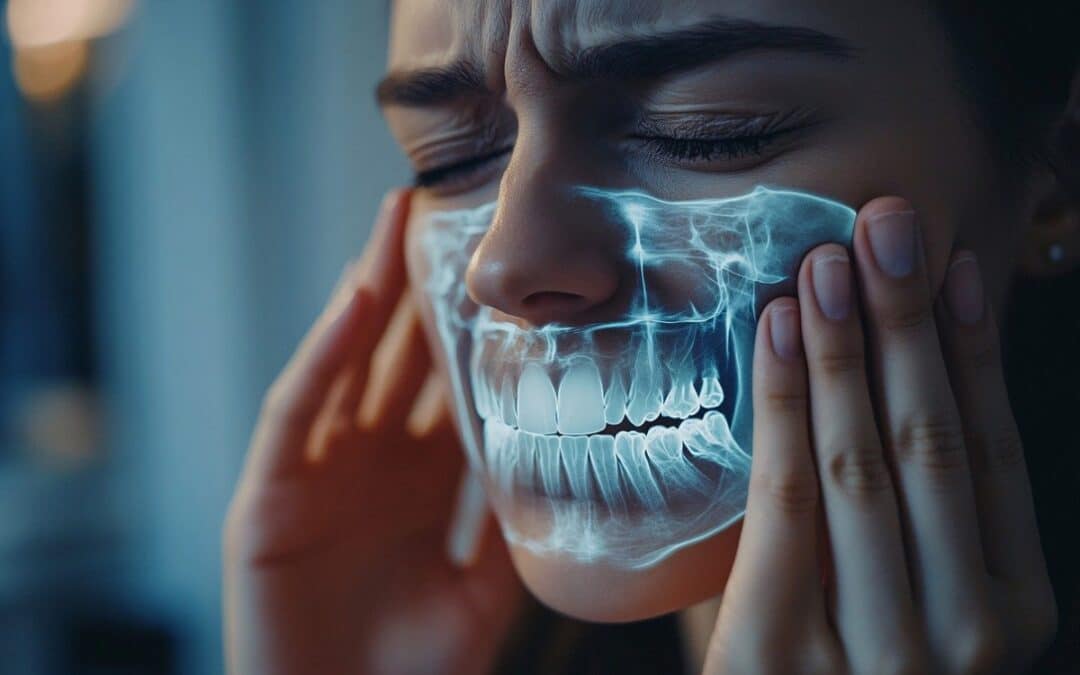
Tooth sensitivity is a common dental issue, especially during the winter months. It happens when the protective enamel of your teeth wears away, exposing the underlying dentin. This can lead to sharp, sudden pain or discomfort when consuming hot, cold, sweet, or acidic foods and beverages. If you’re experiencing tooth sensitivity, search for an orthodontist near me for expert advice and treatment.
Tooth sensitivity can be an annoying and painful experience that leaves you dreading your next bite or sip. But it’s important to understand the causes and take steps to protect your teeth during the cold weather. This article will explore the factors contributing to increased tooth sensitivity. During the Christmas season, we provide you with practical tips to keep your smile healthy and comfortable.
Causes of Tooth Sensitivity
A variety of factors can cause tooth sensitivity, including:
- Enamel erosion: Excessive consumption of acidic foods and beverages. CitrusCitrus fruits, soda, and wine can gradually wear down the enamel, exposing the sensitive dentin layer.
- Gum recession: As you age or if you have poor oral hygiene, your gums may start to recede. Revealing the root surfaces of your teeth, which are more sensitive than the crown.
- Teeth grinding (bruxism): Grinding or clenching your teeth during the day or at night. It can wear down the enamel and lead to increased sensitivity.
- Dental procedures: Certain dental treatments, such as teeth whitening, fillings, or routine cleanings, can temporarily increase tooth sensitivity.
The Impact of Cold Weather on Tooth Sensitivity
The cold weather can exacerbate tooth sensitivity, making it more difficult to enjoy the holiday season. When the temperature drops, the sudden exposure to the cold can trigger a sharp, painful response in your teeth. This is because the cold causes the dentin layer to contract, which can stimulate the nerves and lead to discomfort.
Additionally, the dry air and wind during winter can further contribute to tooth sensitivity by drying out your mouth and reducing saliva production. Saliva plays a crucial role in neutralizing acids and remineralizing your teeth. So, a decrease in saliva can leave your teeth more vulnerable to sensitivity.
Tips to Protect Your Teeth During the Cold Weather
To help alleviate and prevent tooth sensitivity during the Christmas season, consider the following tips:
- Use a toothpaste formulated for sensitive teeth: Look for toothpastes that contain ingredients like potassium nitrate or strontium chloride. This helps block pain signals from reaching the exposed dentin, providing relief with every bite.
- Avoid extremely hot or cold foods and beverages: Try to consume your favorite holiday treats. Drinks at a more moderate temperature to minimize discomfort.
- Use a soft-bristled toothbrush and gentle brushing technique: Aggressive brushing can further wear down the enamel and exacerbate sensitivity.
- Consider using a mouthguard: If you grind your teeth at night, a custom-fitted mouthguard can protect your teeth and reduce sensitivity.
- Maintain good oral hygiene: Regular brushing, flossing, and visits to your dentist can help prevent and manage tooth sensitivity.
Common Dental Problems During the Christmas Season
The holiday season can also bring about other dental issues that can contribute to tooth sensitivity, such as:
- Increased sugar consumption: The abundance of sugary treats and beverages during Christmas. It can increase the risk of tooth decay and gum disease, leading to sensitivity.
- Dehydration: The dry, cold air can cause dehydration, reducing saliva production and leaving your teeth more vulnerable to sensitivity and other problems.
- Dental emergencies: From cracked or chipped teeth to lost fillings, the holiday season can bring about unexpected dental emergencies that require prompt attention.
Importance of Regular Dental Check-ups During Winter
Maintaining regular dental check-ups and cleanings is crucial, especially during winter. Your dentist can help identify and address any underlying issues contributing to tooth sensitivity. Such as enamel erosion or gum recession.
During your appointment, your dentist can also provide personalized recommendations for managing your sensitivity, such as desensitizing toothpaste or in-office treatments. Additionally, they can monitor your oral health and catch any potential problems before they become more serious and painful.
How an Orthodontist Near Me Can Help With Tooth Sensitivity
You may benefit from seeing an orthodontist if you’re experiencing persistent or severe tooth sensitivity. Orthodontists are dental specialists who focus on the alignment and positioning of your teeth, which can play a role in tooth sensitivity.
For example, suppose your teeth are crooked or misaligned. In that case, it can create uneven pressure on your teeth, increasing sensitivity. An orthodontist can develop a customized treatment plan to straighten your teeth and improve their overall function, which can help alleviate your sensitivity issues.
Finding the Right Orthodontist Near You
When finding the right orthodontist to address your tooth sensitivity. It’s important to research and choose a qualified professional who can provide the care and treatment you need.
Look for an orthodontist who has experience in treating patients with sensitive teeth. Who uses the latest technologies and techniques to ensure the best possible outcomes. You can start by searching for “orthodontist near me” and reading reviews from other patients. To get a sense of their quality of care and customer service.
Orthodontic Treatments for Tooth Sensitivity
Depending on the underlying cause of your tooth sensitivity, an orthodontist may recommend one or more of the following treatments:
- Braces or clear aligners: These orthodontic appliances can help realign your teeth, reducing uneven pressure and improving overall dental function.
- Occlusal adjustments: Your orthodontist may need to make minor adjustments to how your teeth fit together, reducing the strain on sensitive areas.
- Bonding or veneers: For severely worn or damaged enamel. Your orthodontist may recommend the placement of dental bonding or veneers to protect the sensitive dentin layer.
- Desensitizing treatments: Your orthodontist may also provide in-office treatments. Such as applying fluoride or other desensitizing agents to help reduce sensitivity and improve comfort.
Conclusion
Tooth sensitivity can be a frustrating and uncomfortable experience, especially during the cold winter months. Understanding the causes of tooth sensitivity and taking proactive steps to protect your teeth. You can enjoy the holiday season without the pain and discomfort.
Regular dental check-ups and visits to an experienced orthodontist can be crucial in managing and preventing tooth sensitivity. Don’t hesitate to seek professional help if you’re struggling with persistent or severe sensitivity issues.
Don’t suffer in silence if you’re experiencing tooth sensitivity this holiday season. Contact an orthodontist near me today to schedule a consultation and discover how we can help protect your smile.