

Are you a parent of an adolescent who needs orthodontic treatment but is hesitant to get metal braces? You’re not alone. Many teenagers are self-conscious about wearing traditional braces, which can affect their confidence and social life. Fortunately, there are now innovative solutions in the field of orthodontics that offer alternatives to metal braces. In this blog post, we’ll explore some of the best options available for your teenager’s orthodontic treatment. Say goodbye to bulky brackets and wires, and hello to discreet and effective methods that will give your teen the smile they deserve!
What are the Best alternatives to Metal Braces for Teenagers?
When it comes to orthodontic treatment for teenagers, metal braces have long been the standard form of correction. However, many adolescents are hesitant to get traditional metal braces due to their appearance and discomfort. Fortunately, there are now several alternative options available that can provide more discreet and comfortable solutions.
1. Clear Aligners: The Subtle Path to Straight Teeth
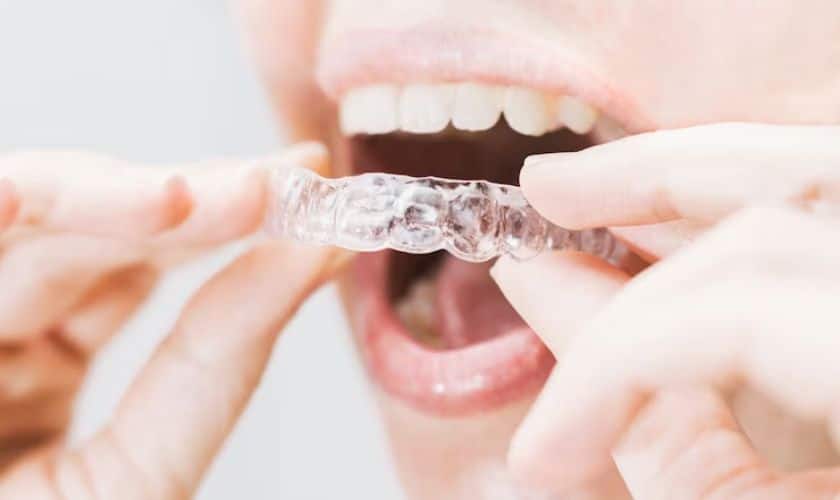
One of the most popular alternatives to metal braces for adolescents is clear aligners, such as Invisalign®. These virtually invisible aligners are custom-made and gradually shift teeth into their desired positions. With removable aligners, teens can enjoy the freedom to eat their favorite foods and maintain oral hygiene without the restrictions posed by traditional braces. Clear aligners offer a discreet and comfortable option, providing the confidence to smile throughout the treatment process.
2. Ceramic Braces: Aesthetic Appeal without Compromising Results
For adolescents who prefer a more subtle option than metal braces, ceramic braces offer a compelling solution. Ceramic braces use clear or tooth-colored brackets and wires, blending in with the natural color of the teeth. This aesthetic appeal makes ceramic braces an attractive choice for image-conscious teenagers. With their excellent effectiveness in treating various orthodontic issues, ceramic braces provide both functionality and an appealing appearance.
3. Lingual Braces: Hidden Strength Behind the Teeth
Lingual braces take the concept of discreet orthodontic treatment to the next level by placing the brackets and wires on the inner surface of the teeth, making them virtually invisible from the outside. This innovative approach allows adolescents to correct their smiles without anyone knowing they are undergoing orthodontic treatment. Lingual braces offer excellent results, maintaining the natural appearance of the teeth while ensuring effective tooth movement.
4. Self-Ligating Braces: Efficiency and Comfort Combined
Self-ligating braces represent a remarkable advancement in orthodontic technology. Unlike traditional braces that require elastic ties to hold the wire in place, self-ligating braces use built-in clips or doors to secure the wire. This system reduces friction, allowing for smoother and more efficient tooth movement. Moreover, self-ligating braces often require fewer adjustment appointments and may lead to shorter overall treatment times.
5. Digital Orthodontics: Precision and Personalization
Digital orthodontics, including technologies like 3D imaging, intraoral scanners, and computer-aided treatment planning, have revolutionized the way orthodontic treatment is approached. These innovations enable orthodontists to create precise treatment plans and tailor them to each patient’s unique needs. Digital orthodontics enhances accuracy, efficiency, and the overall treatment experience for adolescents, ensuring optimal results.
Conclusion
To sum up, orthodontics has come a long way in providing innovative and effective solutions for adolescent dental problems. While traditional metal braces have been the go-to option for many years, there are now various alternatives available that offer more comfort and convenience without compromising on quality.
Whether it’s clear aligners like Invisalign or lingual braces that are hidden behind the teeth, these new options provide more discreet and customizable solutions than ever before. It’s important to consult with an orthodontist to determine which treatment is best suited for your teenager’s needs.