

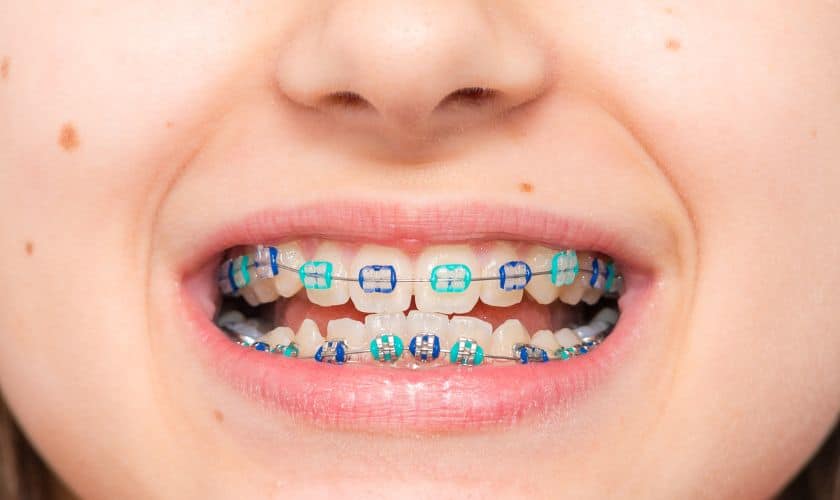
Straight, confident smiles have always been a symbol of beauty and self-assurance. And for many, metal braces have been the tried-and-true method for achieving that perfect smile. But with advancements in dental technology, there are now numerous options available to straighten teeth effectively and discreetly. In this blog post, we will take a closer look at metal braces – their purpose, evolution from traditional to modern options, debunk common myths surrounding them, explore alternative treatments like Invisalign and ceramic braces, discuss who is a good candidate for metal braces, and provide tips on maintaining oral hygiene throughout the treatment process.
The Evolution of Metal Braces: From Traditional Braces to Modern Options
Metal braces have come a long way since their inception, evolving from the traditional style to more modern options that cater to diverse needs. In the early days, metal braces consisted of stainless steel brackets and wires that were prominently visible when smiling. While effective in straightening teeth, they had some drawbacks.
Over time, advancements in orthodontic technology led to the development of new types of metal braces. These included self-ligating braces which eliminate the need for elastic bands and allow for easier adjustments. This innovation made them more comfortable and reduced treatment time.
Another breakthrough came with low-profile brackets that are smaller and less noticeable than their predecessors. These aesthetic improvements helped alleviate concerns about appearance during orthodontic treatment.
Additionally, there are now tooth-colored ceramic braces available as an alternative to traditional metal ones. Made from composite materials or even translucent porcelain, these braces blend with natural tooth color for a less conspicuous look.
Furthermore, lingual braces offer another discreet option as they are placed on the backside of teeth rather than front-facing like traditional braces. This makes them virtually invisible when speaking or smiling.
Debunking Myths About Metal Braces: Pain, Appearance, and Maintenance
When it comes to metal braces, there are several myths that have been circulating for years. Let’s set the record straight and debunk some of these misconceptions.
Many believe that metal braces are extremely painful. While it is true that you may experience some discomfort when the braces are first applied or adjusted, this pain is temporary and can be easily managed with over-the-counter pain relievers. In fact, advancements in orthodontic technology have made modern metal braces more comfortable than ever before!
Another common myth is that metal braces are unsightly and embarrassing to wear. However, today’s metal brackets are smaller and less noticeable than their predecessors. Plus, you can even customize your look by choosing different colored elastics to add a touch of personal style!
Some people think that maintaining oral hygiene becomes a nightmare with metal braces. While it does require extra effort to clean around the brackets and wires properly, good oral hygiene habits such as brushing after every meal and flossing daily will keep your teeth healthy throughout treatment.
Alternatives to Metal Braces: Invisalign, Lingual Braces, and Ceramic Braces
When it comes to straightening your smile, metal braces aren’t your only option. Thanks to advancements in orthodontic technology, there are now alternatives available that offer a more discreet and comfortable experience.
One popular alternative is Invisalign. These clear aligners are virtually invisible and can be easily removed for eating and brushing. They work by gradually shifting your teeth into place using a series of custom-made aligners. Many people prefer Invisalign because they are less noticeable than traditional metal braces.
Another option is lingual braces, which are placed on the inside surface of your teeth rather than the front. This makes them virtually invisible when you smile or speak. While lingual braces may take some time to get used to, they provide an effective way to straighten your teeth without drawing attention.
For those who still want the benefits of traditional braces but with a more aesthetic appearance, ceramic braces could be the answer. These braces use tooth-colored brackets instead of metal ones, making them much less noticeable.
Each alternative has its own unique features and benefits that may appeal to different individuals depending on their needs and preferences. It’s important to consult with an orthodontist who can evaluate your specific case and recommend the best treatment option for you.
Who is a Good Candidate for Metal Braces?
Metal braces have long been a popular choice for straightening teeth and correcting misalignments. But who exactly is a good candidate for this orthodontic treatment? The truth is, metal braces can be suitable for people of all ages, from children to adults.
For children and teenagers, metal braces are often recommended by orthodontists as their teeth and jaw are still growing. This makes it easier to guide them into the correct position and achieve lasting results. Additionally, metal braces are typically more cost-effective than other options, making them an ideal choice for families seeking affordable orthodontic treatment.
Adults who missed out on getting braces in their younger years can also benefit from metal braces. While some may worry about the appearance of traditional metal brackets and wires, advancements in technology have made these appliances smaller and less noticeable than before. So even if you’re in your 40s or 50s, don’t hesitate to consider metal braces as an option!
It’s important to note that not everyone will be eligible for metal braces. Certain dental conditions or oral health issues may require alternative treatments like Invisalign or lingual braces. That’s why it’s crucial to consult with an experienced orthodontist who can evaluate your individual needs and recommend the best course of action.
Tips for Maintaining Oral Hygiene
Maintaining oral hygiene is crucial when wearing metal braces. Here are some essential tips to keep your teeth and braces clean:
1. Brush regularly: Brushing after every meal and snack helps remove food particles that can get stuck in the brackets or wires of your braces. Use a soft-bristle toothbrush and fluoride toothpaste to gently clean all surfaces of your teeth.
2. Floss daily: It’s important to floss between your teeth and around the brackets using a floss threader or orthodontic floss. This helps remove plaque buildup, preventing gum disease and tooth decay.
3. Rinse with mouthwash: An antimicrobial mouthwash can help kill bacteria in hard-to-reach areas of your mouth, reducing the risk of cavities and bad breath.
4. Watch what you eat: Avoid sticky, hard, or chewy foods that can damage or dislodge your braces. Cut fruits and vegetables into smaller pieces before eating them to minimize any potential damage.
5. Attend regular check-ups: Regular visits to your orthodontist are essential for adjustments to ensure effective treatment progress and address any concerns you may have about maintaining oral hygiene during treatment.