

Welcome to the exciting journey towards a confident, beautiful smile! Orthodontic treatment is not just about straightening teeth; it’s about transforming your entire dental health and boosting your self-esteem. Whether you’re dealing with crowded teeth, an overbite, or any other dental issue that requires correction, orthodontics can provide effective solutions tailored to your unique needs. we will take you on a comprehensive exploration of orthodontic treatment. From understanding common dental issues that may necessitate orthodontic intervention to exploring different types of treatment options available, we’ll guide you through the entire process so you can make informed decisions along the way. So let’s dive in and uncover the secrets behind achieving that dazzling smile!
Common Dental Issues that Require Orthodontic Treatment
When it comes to dental issues, there are a few common problems that may require orthodontic treatment. One of the most prevalent issues is crooked or misaligned teeth. This not only affects your appearance but can also lead to difficulties in biting and chewing properly.
Another common problem is overcrowded teeth, where there isn’t enough space in the jaw for all of your teeth to fit correctly. This can cause overlapping, twisting, or shifting of teeth. Not only does this affect the aesthetics of your smile, but it can also make proper cleaning and maintenance more challenging.
Many people also suffer from an overbite or underbite, where either the upper front teeth protrude too far forward (overbite) or the lower front teeth extend beyond the upper front teeth (underbite). These conditions can impact speech patterns and put strain on the jaw joints.
Open bites occur when there is a gap between the top and bottom front teeth even when biting down fully. This issue often results from thumb sucking habits during childhood or tongue thrusting habits.
Types of Treatment Options
When it comes to orthodontic treatment, there are various options available to help you achieve that confident and beautiful smile. The type of treatment recommended for you will depend on your specific dental issues.
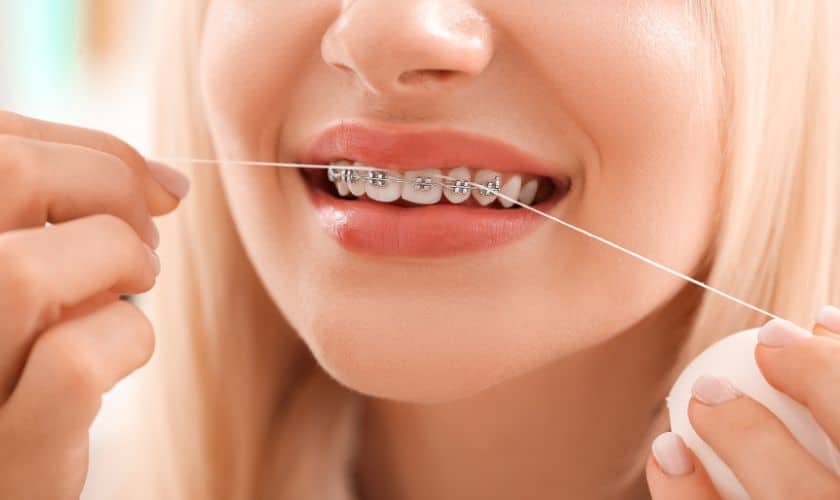
One common option is traditional metal braces. These consist of brackets bonded to the teeth and connected by a wire. While they may not be the most aesthetically pleasing choice, they are highly effective in correcting complex dental problems.
For those seeking a more discreet option, clear aligners such as Invisalign® are becoming increasingly popular. These custom-made trays gradually shift your teeth into alignment without the use of wires or brackets. They are virtually invisible and can be easily removed for eating and brushing.
Another alternative is lingual braces, which are placed on the back side of your teeth instead of the front. This makes them practically invisible when smiling or speaking.
The Process of Getting Braces or Aligners
When it comes to orthodontic treatment, the process of getting braces or aligners is an important step towards achieving a confident and beautiful smile. The journey begins with a consultation with an orthodontist who will assess your dental condition and create a personalized treatment plan for you.
Once you’ve decided on the type of treatment that best suits your needs, whether it’s traditional braces or clear aligners such as Invisalign, the next step is to have them fitted. For braces, this involves attaching brackets onto each tooth using special adhesive. These brackets are then connected with wires that apply gentle pressure to gradually shift your teeth into their desired positions.
If you opt for clear aligners, a series of custom-made trays will be created specifically for your teeth. You’ll wear each set of aligners for about two weeks before progressing to the next set in the series. This gradual progression helps guide your teeth into alignment over time.
Throughout your orthodontic journey, regular appointments will be scheduled to monitor progress and make any necessary adjustments. Your orthodontist may tighten wires or provide new sets of aligner trays during these visits.
Maintaining Oral Health During Treatment
Taking good care of your oral health is important at all times, but it becomes even more crucial when you are undergoing orthodontic treatment. Whether you have braces or aligners, there are a few extra steps you need to take to ensure that your teeth and gums stay healthy throughout the journey towards your confident, beautiful smile.
Brushing and flossing become even more important during orthodontic treatment. With braces, it can be a bit trickier to clean around the brackets and wires, so investing in an interdental brush or water flosser can be helpful. Regular dental check-ups are also essential for keeping track of any potential issues that may arise during treatment.
Another aspect of maintaining oral health is being mindful of what you eat. Avoiding sticky and hard foods will help prevent damage to your braces or aligners. Opt for softer options like cooked vegetables, lean proteins, and smoothies.
Good hygiene habits extend beyond just cleaning your teeth. It’s crucial to keep your aligners or braces clean as well. For those with aligners, remember to remove them before eating or drinking anything other than water.
Conclusion:
Embarking on an orthodontic treatment journey can be a life-changing experience. It’s not just about achieving a straighter smile; it’s about gaining confidence and enhancing your overall oral health. Throughout this article, we’ve explored the common dental issues that may require orthodontic treatment and the various types of treatment options available. We’ve also discussed the process of getting braces or aligners and how to maintain good oral health during the course of your treatment. Remember, each person’s orthodontic journey is unique, so it’s important to consult with a qualified orthodontist who can assess your specific needs and provide personalized recommendations.