

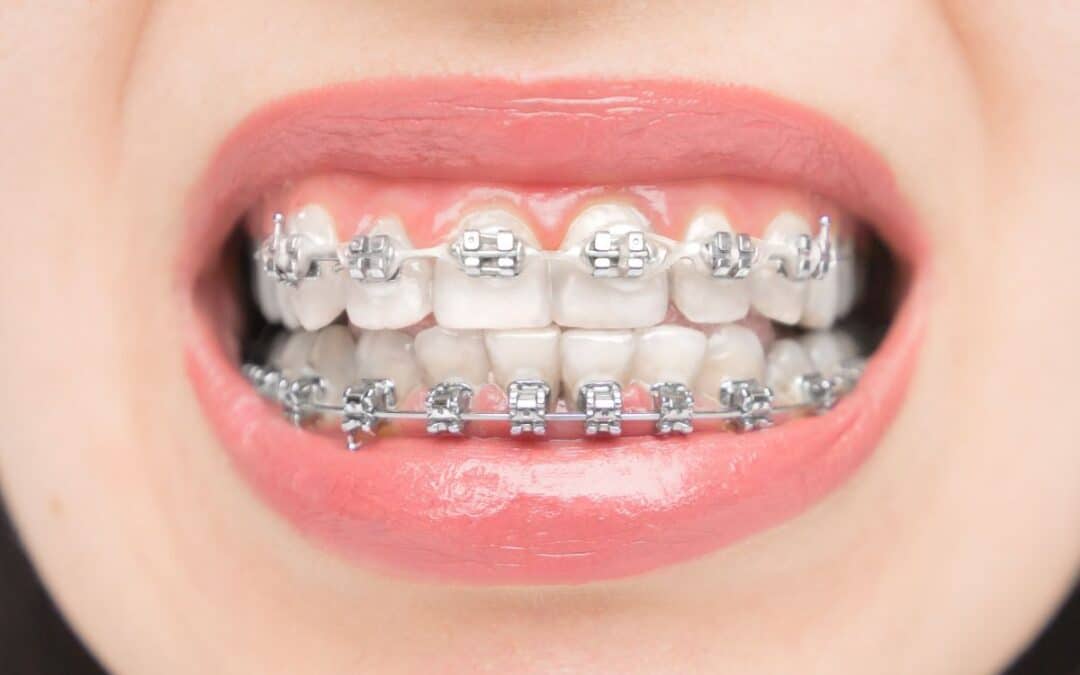
If you are considering metal braces, one of the first questions that likely comes to mind is simple. How long will this take? Orthodontic treatment is a commitment, not only financially but also in terms of time and lifestyle adjustments. While the process requires patience, the goal is to create a healthy bite and properly aligned teeth that last for years.
Most patients complete treatment with metal braces within 18 to 24 months. However, this timeline varies depending on individual needs. Some mild cases may finish in about 12 months, while more complex situations can take up to 2 to 3 years.
Average Treatment Time for Metal Braces
Here is a general guideline for how long metal braces may take:
- Mild spacing or crowding: 6 to 12 months
- Moderate alignment issues: 12 to 24 months
- Severe crowding or bite problems: 24 to 36 months
Every smile is different, which is why your orthodontist creates a customized treatment plan based on your teeth, bite, and overall oral health.
Why Metal Braces Take Time
Teeth do not move instantly, and that is intentional. Braces apply gentle, controlled pressure that gradually shifts teeth into the correct position. During this process, the surrounding bone tissue reshapes, and ligaments adjust to support the new alignment.
Moving teeth too quickly can cause root damage, gum recession, and unstable results. A steady approach helps ensure safe movement and long term stability.
Factors That Affect How Long Braces Take
Several factors influence how long you may need to wear metal braces.
Complexity of Your Case
Minor spacing or crowding often resolves faster. More complicated issues such as overbite, underbite, crossbite, or severely rotated teeth usually require more time. Bite correction is essential for long term function and often extends treatment.
Age and Bone Density
Teenagers often experience faster results because their jaws are still developing and teeth move more easily. Adults can still achieve excellent outcomes, but treatment may take slightly longer due to denser bone structure.
Type of Braces
Traditional metal braces are extremely effective and often the fastest option for complex cases. Other options such as ceramic braces may move teeth slightly slower in some situations. Your orthodontist will recommend the most efficient option based on your needs.
Patient Compliance
Your habits play a major role in treatment speed. Wearing elastics as instructed, maintaining oral hygiene, and attending regular visits can help keep treatment on track. Skipping appointments, breaking brackets, or not wearing rubber bands can add months to your timeline.
Your Body’s Natural Response
Everyone responds differently to orthodontic movement. Bone density, metabolism, and oral health all affect how quickly teeth shift into position.
What Happens During the Braces Timeline
Understanding the treatment stages can help set realistic expectations.
Stage One: Alignment and Leveling
During the first few months, teeth begin to straighten and crowding starts to improve. This is often when patients notice the most visible changes.
Stage Two: Bite Correction
Once teeth are aligned, the focus shifts to correcting your bite. Elastics may be introduced, and your orthodontist begins making more detailed adjustments. This stage is essential for long term stability.
Stage Three: Fine Tuning
The final phase involves small adjustments to perfect tooth positioning and finalize your bite. By this stage, your smile is nearly complete.
Retention Phase
After braces are removed, a retainer helps prevent teeth from shifting back. Most patients wear retainers full time at first and then transition to nighttime wear. Consistent retainer use is key to maintaining results.
Can You Speed Up Metal Braces Treatment
While you cannot safely rush tooth movement, you can avoid delays and keep treatment on schedule.
Follow your orthodontist’s instructions carefully, especially when wearing elastics. Maintain excellent oral hygiene by brushing twice daily and flossing regularly. Avoid hard or sticky foods that can damage brackets and wires. Most importantly, attend every scheduled appointment so adjustments happen on time.
Are Metal Braces Faster Than Other Options
In many cases, yes. Metal braces are durable, precise, and effective for complex alignment issues. While clear aligners are popular, they may not always be the fastest option for severe crowding or bite correction. Your orthodontist will recommend the most efficient treatment for your specific needs.
When Should You See an Orthodontist
You may benefit from an evaluation if you notice crooked teeth, crowding, bite issues, difficulty chewing, or jaw discomfort. Early treatment can sometimes reduce overall treatment time and prevent more complex problems later.
Conclusion
So, how long do metal braces usually take to straighten teeth? Most patients wear them for about 18 to 24 months, but your exact timeline depends on the complexity of your case, your age, and how closely you follow instructions.
Metal braces require patience, but the benefits are significant. Properly aligned teeth improve oral hygiene, support a balanced bite, and enhance confidence. Staying consistent with care and appointments helps ensure the best possible outcome and a smile that lasts.