

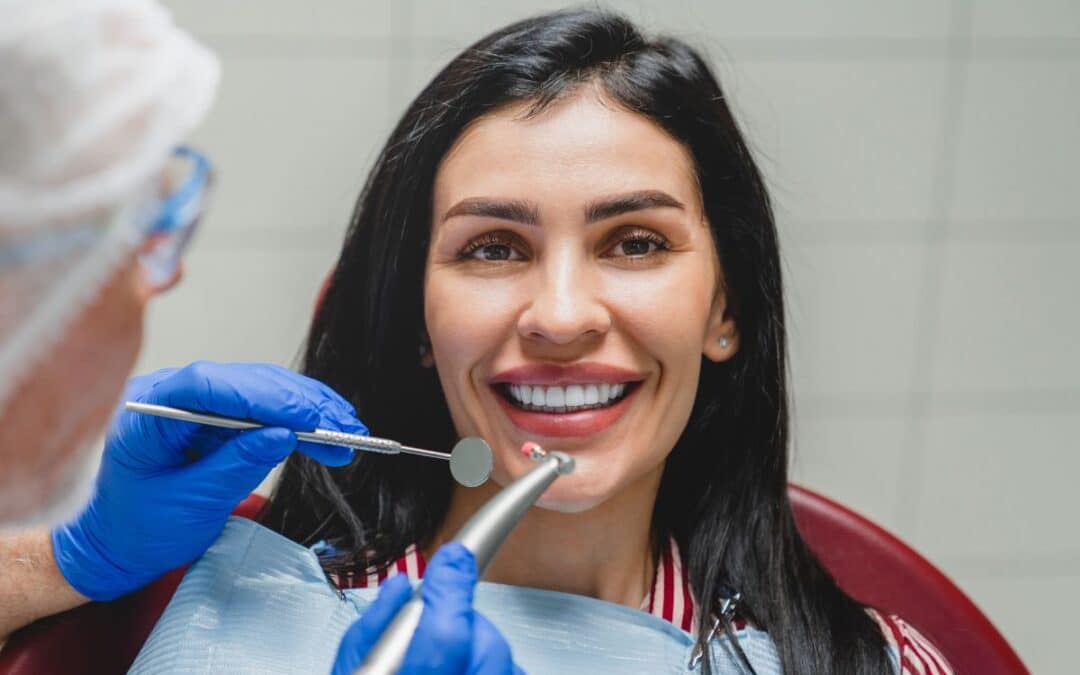
Many people assume they should only visit an orthodontist when their teeth look noticeably crooked. In reality, there are several signs that suggest it’s time to schedule an evaluation before the problem becomes more difficult to correct. Concerns such as crowded teeth, bite issues, jaw discomfort, or shifting teeth often benefit from early orthodontic treatment. If you live in or around Homewood, recognizing these warning signs can help you seek timely care and prevent more complex dental issues in the future.
Why Waiting Can Make Orthodontic Problems Worse
Orthodontic concerns rarely improve on their own. Teeth naturally shift over time, and bite problems can gradually become more noticeable. Delaying treatment may increase the complexity of future care, extend treatment time, or even contribute to uneven tooth wear and gum concerns.
An early evaluation does not always mean treatment begins immediately. Instead, it allows an orthodontist to monitor your teeth and recommend the most appropriate time to begin treatment if needed.
1. Your Teeth Are Becoming Crowded
Crowded teeth are one of the most common reasons people seek orthodontic care. When there is not enough room in the mouth, teeth may overlap, rotate, or become difficult to clean properly. Crowding can increase the risk of plaque buildup because toothbrushes and floss may not reach every surface effectively. Over time, this may contribute to cavities or gum inflammation.
If you’ve noticed your teeth becoming more crowded over the years, scheduling an evaluation with an orthodontist can help determine whether treatment is recommended.
2. Your Bite Feels Different Than It Used To
Your upper and lower teeth should fit together comfortably when you bite down. If they no longer align properly, you may be developing a bite issue.
Common bite problems include:
- Overbite
- Underbite
- Crossbite
- Open bite
These conditions may cause uneven pressure on certain teeth, making chewing less comfortable and increasing wear over time. An orthodontic evaluation helps identify the cause and determine the most suitable treatment approach.
3. You Frequently Bite Your Cheeks or Tongue
If you accidentally bite the inside of your cheeks or tongue while eating or speaking, your teeth or bite alignment could be contributing to the problem. Poor tooth positioning may leave soft tissues more exposed during normal jaw movement. While occasional cheek biting happens to everyone, repeated injuries should not be ignored. Proper orthodontic care may improve tooth alignment and reduce these recurring issues.
4. You Have Difficulty Cleaning Between Your Teeth
Straight teeth are generally easier to brush and floss effectively. When teeth overlap or are tightly crowded, plaque and food particles can remain trapped between them despite good brushing habits. This may increase the likelihood of tooth decay or gum disease. Many adults are surprised to learn that improving tooth alignment can also make maintaining good oral hygiene much easier.
5. Your Jaw Clicks or Feels Uncomfortable
Jaw discomfort does not always mean you need orthodontic treatment, but it can sometimes be related to bite alignment.
You may notice:
- Clicking when opening your mouth
- Jaw soreness after chewing
- Difficulty opening your mouth comfortably
- Muscle fatigue around the jaw
An orthodontist can evaluate whether your bite contributes to these symptoms and determine whether additional evaluation is appropriate.
6. Your Teeth Have Shifted Since Previous Treatment
Many adults who wore braces as teenagers notice their teeth gradually moving years later. This can happen if retainers are no longer worn as recommended or because teeth naturally shift over time. Fortunately, modern orthodontic options often allow these changes to be corrected without repeating the exact treatment you had before. If you’ve noticed increasing gaps, overlapping teeth, or rotation, it’s worth scheduling another orthodontic evaluation.
7. You Feel Self Conscious About Your Smile
Orthodontic treatment is not only about appearance. Improving tooth alignment can also benefit oral function, comfort, and long term dental health. Still, many patients decide to visit an orthodontist because they no longer feel confident smiling in photographs, speaking in public, or meeting new people. Whether the concern is minor or more noticeable, discussing your goals with an orthodontic professional helps you understand the available treatment options.
Why Early Evaluation Matters
One of the biggest misconceptions about orthodontics is that treatment should wait until problems become severe. In reality, identifying concerns early often creates more opportunities for simpler treatment planning. Even if immediate treatment is unnecessary, regular monitoring allows changes to be addressed at the right time. For both teenagers and adults, an orthodontic consultation provides valuable information about current tooth alignment and future oral health.
Choosing an Orthodontist for Your Smile
Finding the right provider involves more than selecting the closest office. Experience, communication, and personalized treatment planning all contribute to successful results. Patients often benefit from choosing a trusted orthodontist in Homewood who carefully evaluates their bite, explains treatment options clearly, and develops a plan based on their individual needs.
A comprehensive consultation allows you to ask questions, understand expected outcomes, and make informed decisions about your orthodontic care.
Conclusion
Many orthodontic concerns begin gradually, making them easy to overlook until they become more noticeable. Crowded teeth, shifting alignment, bite changes, jaw discomfort, and difficulty cleaning your teeth are all signs that deserve professional attention. Seeking an evaluation sooner rather than later can help protect your oral health and provide more treatment options.
If you’ve noticed changes in your smile or bite, scheduling an evaluation is an excellent first step. At Grant Orthodontics, our team provides personalized orthodontic care to help patients understand their treatment options and achieve healthy, properly aligned smiles. Whether you’re experiencing a new concern or simply want professional guidance, we’re here to help you make informed decisions about your smile.
Frequently Asked Questions
How do I know if I should see an orthodontist?
If your teeth are crowded, shifting, difficult to clean, or your bite feels uncomfortable, it’s a good idea to schedule an orthodontic evaluation.
Can adults benefit from orthodontic treatment?
Yes. Adults of all ages can receive orthodontic treatment to improve tooth alignment, bite function, and overall oral health.
Does every orthodontic consultation lead to braces?
No. Some patients only need monitoring, while others may benefit from treatment later. An evaluation helps determine the most appropriate recommendation.
What causes teeth to shift over time?
Teeth can naturally move with age, after dental work, or if retainers are not worn as instructed following previous orthodontic treatment.
Can bite problems affect oral health?
Yes. Bite issues may contribute to uneven tooth wear, difficulty chewing, jaw discomfort, and challenges with cleaning certain teeth.
How often should children be evaluated by an orthodontist?
Many orthodontists recommend an initial evaluation around age seven, although treatment is not always necessary at that time. Early assessments help monitor jaw and tooth development.