

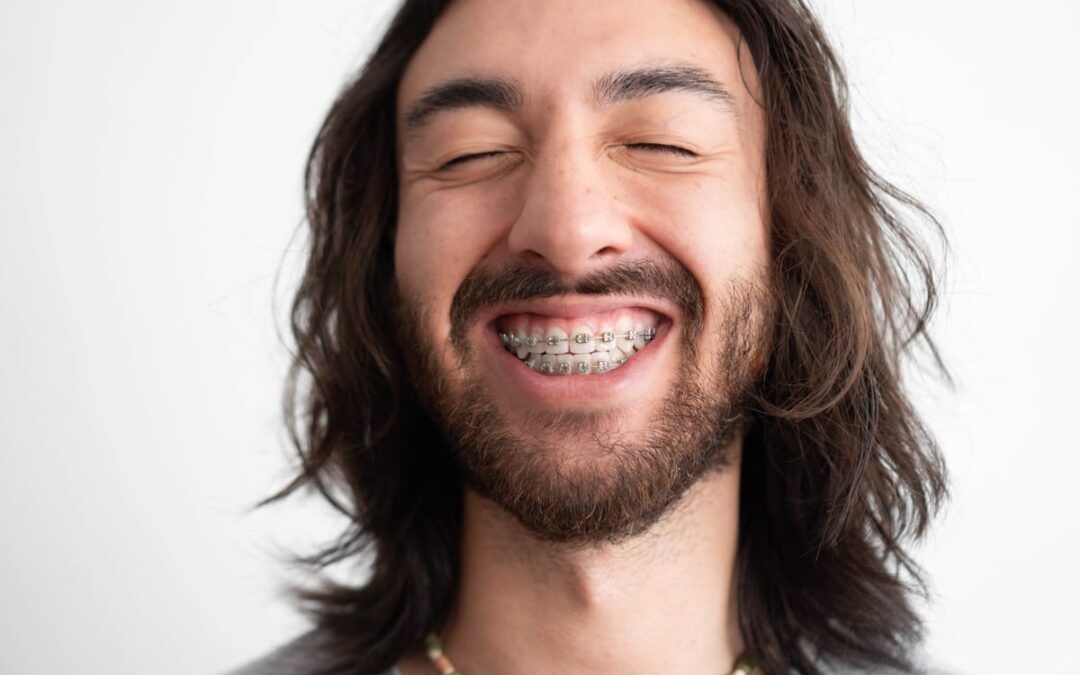
You spent months in braces. Your smile looks incredible. Now comes the real question every adult patient near East Hazel Crest asks: how long will these results actually last? Understanding adult braces results — how long they last and what threatens them — is just as important as the treatment itself. The good news is that with the right habits, your straighter smile can last a lifetime. The not-so-good news is that several common mistakes can quietly undo your progress faster than you might expect.
How Long Do Adult Braces Results Typically Last in East Hazel Crest?
The honest answer is: forever — if you follow through with retention. After braces come off, your teeth want to shift back toward their original positions. This natural movement is called relapse, and it never fully stops.
Retainers are what stand between your current smile and that backward drift. Patients who wear retainers consistently can maintain their results indefinitely. Patients who skip or lose their retainers often notice shifting within just a few months.
Most orthodontists recommend nightly retainer wear for life after treatment ends. That may sound like a lot, but it becomes second nature quickly. Think of it as a small nightly habit that protects a major investment in your health and confidence.
What Threatens Your Adult Braces Results Over Time
Several factors can shorten the lifespan of your orthodontic results. Some are avoidable. Others require proactive management with your orthodontist’s guidance.
Here are the most common threats to long-term results:
- Skipping retainer wear — Even a few weeks without your retainer can allow noticeable shifting.
- Gum disease or bone loss — Periodontal issues weaken the structures that hold teeth in position.
- Teeth grinding (bruxism) — Chronic grinding puts excessive pressure on teeth and can cause movement over time.
- Wisdom teeth — Emerging wisdom teeth can crowd adjacent teeth, especially in the lower front area.
- Age-related changes — As we age, natural facial and jaw changes can subtly shift teeth.
- Damaged or lost retainers — A retainer that no longer fits properly offers little protection.
Understanding these risks helps you take targeted steps to protect your smile. Your orthodontist can assess which of these factors apply most to your situation.
What You Can Do to Extend the Life of Your Results
Protecting your adult braces results is mostly about building consistent habits. None of these steps are complicated, but all of them matter.
Start with daily retainer compliance. Wear your retainer every night without exception. If it starts to feel tight, that is a warning sign — book an appointment promptly rather than ignoring it.
Maintain excellent oral hygiene. Healthy gums and bone are essential for keeping teeth stable. Brush twice daily, floss regularly, and schedule professional cleanings at least twice per year.
Here are additional steps that extend your results:
- Address grinding habits early with a nightguard if recommended
- Attend regular check-ups so your orthodontist can monitor any shifting
- Replace worn or broken retainers without delay
- Ask about fixed (bonded) retainers for added long-term security
- Stay consistent with dental cleanings to prevent gum disease
Many East Hazel Crest adults also find that pairing their braces experience with teeth whitening helps them stay motivated to maintain results. A bright, straight smile is a powerful daily reminder of why these habits matter.
Fixed vs. Removable Retainers: Which Lasts Longer?
After braces, your orthodontist may recommend a fixed retainer, a removable retainer, or both. Each option has distinct advantages depending on your specific bite and lifestyle.
Fixed retainers are thin wires bonded to the back of your teeth. They provide constant protection without any effort on your part. The downside is that they require careful flossing and can break if not maintained well.
Removable retainers — often clear plastic trays — give you flexibility. They are easy to clean and replace. However, their effectiveness depends entirely on you actually wearing them.
Many patients in the East Hazel Crest area benefit from a combination approach: a fixed retainer on the lower front teeth plus a removable tray for the upper arch. Your orthodontist will recommend the best option based on your treatment history and risk of relapse.
Invisalign Results vs. Traditional Braces: Does the Retention Plan Differ?
Whether you completed treatment with traditional braces or Invisalign In Homewood Il, the retention phase works the same way. All orthodontic treatment — regardless of the method — requires retainers afterward.
Teens who completed treatment with Invisalign Teen In Homewood Il transition into the same retention protocols as adults. Consistent retainer wear is the universal rule after any orthodontic treatment.
The alignment your orthodontist achieved is the starting point. Retention is what preserves it. No treatment method creates permanent tooth position on its own — your biological tissues always exert pressure toward movement.
Frequently Asked Questions
How soon after braces do teeth start to shift without a retainer?
Teeth can begin shifting within days to weeks of retainer-free time, especially in the first year after braces. The risk decreases over time but never disappears entirely. Wearing your retainer every night is the most effective prevention.
Can adult braces results be corrected if teeth shift later?
Yes, in many cases relapse can be corrected. Minor shifting may be addressed with a new retainer or a short refinement course of treatment. Significant movement may require a full round of orthodontic treatment. Catching shifting early makes correction much easier and faster.
How often should I replace my retainer to protect my results?
Removable retainers typically last one to three years with proper care. Clear plastic retainers may wear out faster if they are cleaned with hot water or harsh chemicals. Your orthodontist can evaluate fit and wear at regular check-up visits and recommend replacement as needed.
Does teeth whitening affect my retainer or braces results?
Teeth whitening does not affect the alignment of your teeth or your retainer’s function. However, whitening is generally most effective after braces come off, when all tooth surfaces are fully accessible. Ask your orthodontist about the best timing for whitening as part of your post-treatment plan.
How do I know if my teeth have shifted after braces?
Common signs of shifting include your retainer feeling tight or not fitting properly, visible changes in tooth alignment, or bite changes when chewing. If you notice any of these signs, schedule an appointment with your orthodontist promptly. Early intervention is far simpler than waiting until the shift becomes significant.
Protecting your smile after braces takes consistency, not perfection. East Hazel Crest patients who stay committed to their retainer routine and regular check-ups enjoy lasting results for decades. Your orthodontist is your long-term partner in keeping that investment secure. Book Now to schedule your appointment with our team.