

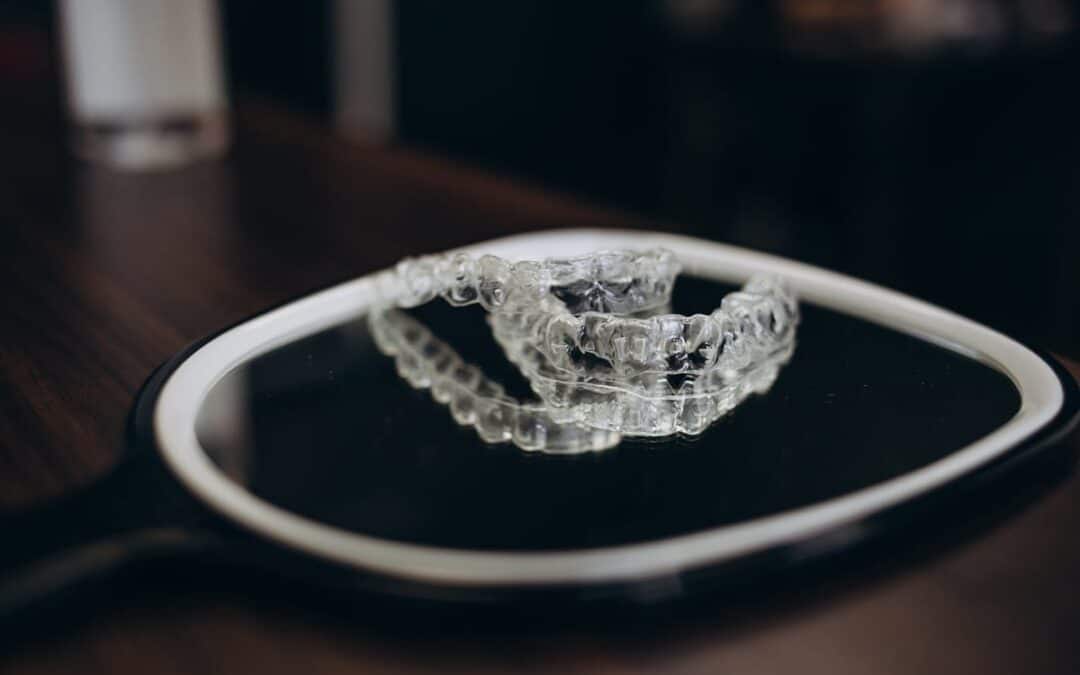
Your teen just finished Invisalign Teen In Homewood Il Homewood treatment, and their smile looks incredible. But the journey is not quite over yet. Understanding why your teen’s Invisalign results won’t last without retainers in Homewood is one of the most important lessons we share with families. Retention is the final — and permanent — phase of orthodontic care.
What Happens to Teeth After Invisalign Treatment?
Teeth are held in place by a network of ligaments and soft tissues. During Invisalign, those tissues are gradually stretched and reshaped as teeth move into new positions. Once the aligners come off, those tissues are not fully stabilized yet. They still want to pull teeth back toward where they started.
This natural tendency is called orthodontic relapse. It is not a sign that something went wrong. It is simply how biology works. Without retainers, even perfectly straight teeth will begin shifting within weeks of finishing treatment.
At Grant Orthodontics in Homewood, we see this happen when patients skip retainer wear. The results your teen worked months to achieve can quietly undo themselves. That is why retention is not optional — it is essential.
Why Retainers Are Non-Negotiable After Invisalign in Homewood
Retainers do one critical job. They hold teeth in their new, corrected positions while the surrounding bone and tissue harden around them. Think of it like letting concrete cure after pouring it into a mold. Remove the mold too early, and the shape will not hold.
For teens especially, this phase is critical. Adolescent jaws are still developing. Growth spurts can naturally shift teeth even in adults — and even more so in teenagers. Wearing a retainer consistently counteracts that movement and locks in the investment your family made.
Here are key reasons why retainers matter so much after Invisalign In Homewood Il Homewood:
- Teeth naturally drift after any orthodontic treatment ends
- Bone tissue around teeth needs time to fully stabilize
- Teen jaws are still growing and shifting through adolescence
- Relapse can begin within just a few days without a retainer
- Retainers protect the time, effort, and investment already made
There is no shortcut around this phase. The good news is that retainers are simple to wear and easy to get used to.
How Long Does Your Teen Need to Wear a Retainer?
This is one of the most common questions we hear from families in Homewood. The honest answer is: retainers are a lifelong commitment — though the frequency changes over time.
In the first few months after Invisalign, full-time wear is typically recommended. That usually means wearing the retainer every night and for much of the day. This gives teeth the best chance to stabilize quickly and securely.
After that initial phase, most patients transition to nighttime-only wear. This is much easier to manage and fits naturally into a teen’s routine. Many orthodontists recommend nightly retainer use indefinitely to prevent any long-term shifting.
Here is a general retainer wear timeline to expect:
- Months 1–6: Full-time wear, removing only to eat and brush
- Months 6–12: Transition to nighttime wear as directed by your orthodontist
- Year 1 and beyond: Consistent nightly wear to maintain results long-term
Every patient is a little different. Your teen’s orthodontist at Grant Orthodontics will provide a specific retention plan based on their unique treatment and jaw development.
What Happens If Your Teen Skips the Retainer?
Skipping retainer wear — even for a few nights — can have real consequences. Teeth move quickly when nothing holds them in place. Gaps may reopen. Crowding can return. The alignment your teen spent months perfecting may begin to unravel.
In some cases, teens who skip retainer wear for extended periods need to restart treatment. That means going back through aligners or braces to correct shifting that occurred post-treatment. This is both frustrating and entirely preventable.
Common problems that arise without consistent retainer wear include:
- Spaces reopening between front teeth
- Lower front teeth crowding again
- Bite misalignment returning gradually
- Difficulty fitting the retainer after even a short break
If a retainer feels tight when your teen puts it in, that is a warning sign. Tightness means teeth have already started to shift. Address it quickly by getting back to consistent wear and contacting our Homewood office right away.
Types of Retainers and Finding the Right Fit
Not all retainers are the same. At Grant Orthodontics, we help families choose the right type based on their teen’s lifestyle and needs. The two main options are removable retainers and fixed (bonded) retainers.
Removable retainers are similar in feel to Invisalign aligners. Teens who completed Invisalign often adapt to them quickly. They are easy to clean and convenient for daily life. The key is that your teen must actually remember to wear them.
Fixed retainers are thin wires bonded to the back of the teeth. They work passively around the clock without any effort from your teen. They are a great option for teens who may struggle with consistency. However, they do require extra care when brushing and flossing.
Your orthodontist will discuss which option — or combination — makes the most sense. Some teens do well with a fixed lower retainer and a removable upper retainer. Personalized plans lead to better outcomes.
Helping Your Teen Build a Retainer Habit
Consistency is everything when it comes to retainers. Teens are busy, and it is easy for a new habit to slip. As a parent, your encouragement plays a huge role in protecting your teen’s results.
Try linking retainer wear to an existing nighttime habit. Placing the retainer case next to a toothbrush creates a natural reminder. Setting a phone alarm for retainer time also helps build the routine quickly.
Keep a replacement plan in mind as well. Retainers can be lost or broken. Know where to get a quick replacement so there is no long gap in wear. At Grant Orthodontics, we make it easy for Homewood families to get replacement retainers when needed.
Investing a few minutes each night to wear a retainer protects months of orthodontic progress. That small habit makes all the difference for your teen’s long-term smile.
Protect Your Teen’s Smile for the Long Term
Finishing Invisalign is a major milestone worth celebrating. But the real victory comes from maintaining those results for years to come. Retainers are the bridge between the end of active treatment and a lifetime of healthy, straight teeth.
At Grant Orthodontics in Homewood, we guide every teen and family through this important phase. We explain every step clearly and make sure your teen feels confident about their retention plan. Our goal is not just a great smile today — it is a great smile forever.
If you have questions about your teen’s retainer or are ready to begin Invisalign, we are here to help. Book Now to schedule your appointment with our team.
Frequently Asked Questions
How soon after Invisalign does my teen need to start wearing a retainer?
Your teen should begin wearing their retainer immediately after their final Invisalign aligner. There should be no gap between finishing aligners and starting retainer wear. Teeth begin shifting quickly once active treatment ends, so same-day or next-day retainer use is ideal.
Can my teen eat and drink with their retainer in?
Removable retainers should be taken out before eating or drinking anything other than plain water. Food particles can damage the retainer and cause bacteria buildup. Fixed retainers stay in place permanently, so normal eating is fine — though sticky or hard foods should be avoided.
What should I do if my teen’s retainer feels tight?
A tight retainer usually means teeth have shifted slightly since the last time it was worn. Your teen should put the retainer back in and wear it consistently. If it is very uncomfortable or no longer fits properly, contact Grant Orthodontics in Homewood for an evaluation and possible replacement.
How long do retainers typically last before needing replacement?
Removable retainers generally last one to three years with proper care. Fixed retainers can last much longer — sometimes over a decade — if they are not damaged. Regular orthodontic check-ups allow us to inspect the retainer and replace it before significant wear occurs.
Is it normal for a teen to feel some discomfort when wearing a new retainer?
Mild pressure or slight discomfort when first wearing a new retainer is completely normal. It typically fades within a day or two as the teeth adjust. If pain is sharp or persistent, contact our Homewood office so we can assess the fit and make any necessary adjustments.