
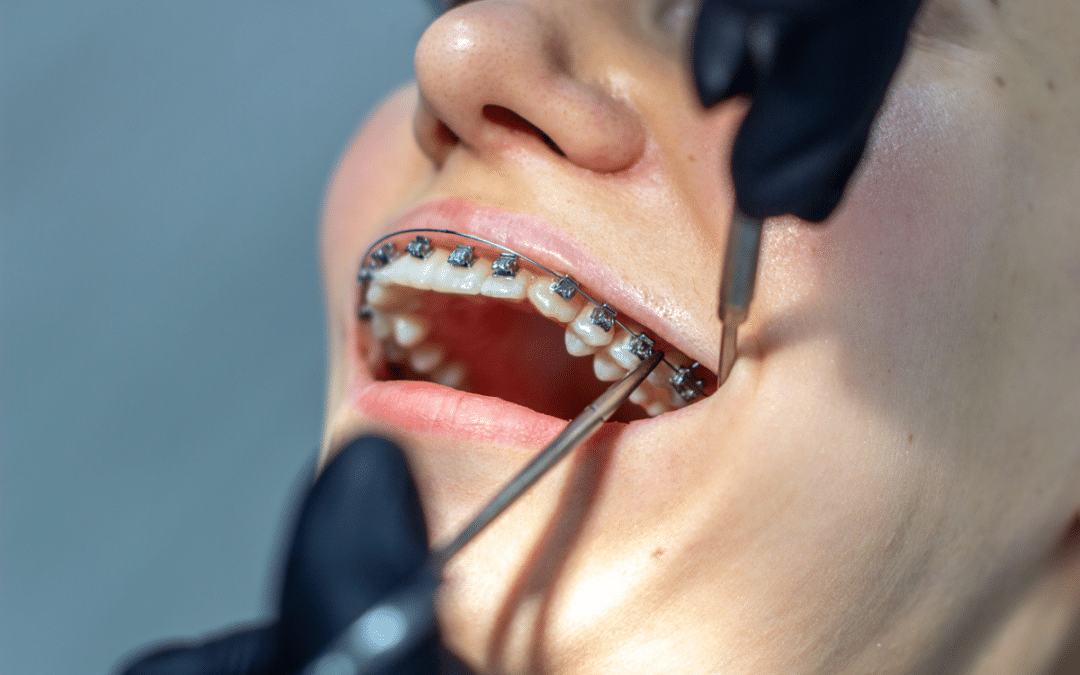
Getting braces is an exciting milestone. It’s the beginning of your journey to a healthier, more beautiful smile. But if you’re a first-timer (or the parent of one), you probably have a lot of questions. What can you eat? How do you brush properly? What do you do if a bracket comes loose? Relax, we’ve got you covered. The team at Grant Orthodontics has been guiding patients through every aspect of life with braces for over 30 years. Here’s your ultimate guide to making the most of your orthodontic treatment.
The First Week: What to Expect
The first few days after getting your braces placed can be the most challenging, but they’re also entirely manageable. Your teeth and gums will likely feel tender and sore as they begin responding to the new pressure. This is completely normal and is a sign that your teeth are already moving. Over-the-counter pain relievers like ibuprofen or acetaminophen can help take the edge off. Eating soft foods like yogurt, mashed potatoes, smoothies, soup, scrambled eggs is highly recommended during this initial adjustment period.
You may also notice that the inside of your cheeks, lips, and tongue feel irritated by the new brackets. Orthodontic wax is your best friend during this time. Simply roll a small amount into a ball, flatten it, and press it over any bracket or wire that’s causing irritation. The discomfort typically subsides within a week as your mouth adjusts.
Foods to Enjoy and Foods to Avoid
Foods to Eat Freely
The good news is that most of the foods you love are perfectly compatible with braces. Soft breads, pasta, rice, cooked vegetables, lean meats, dairy products, and most fruits (as long as they’re cut into small pieces) are all fair game. Smoothies, yogurt, and soft cheeses make excellent snacks.
Foods to Avoid
Certain foods can damage brackets, bend wires, and extend your treatment time. Our team at Grant Orthodontics recommends avoiding the following categories:
- Hard foods: hard candies, ice, raw carrots, apples (unless cut into small pieces), crusty breads, pizza crust, and nuts
- Sticky foods: caramel, taffy, gummy candies, chewing gum, and sticky granola bars
- Chewy foods: bagels, licorice, and tough meats like steak jerky
- Crunchy foods: popcorn, pretzels, tortilla chips, and hard crackers
- Sugary foods and beverages: excess sugar promotes plaque and cavities around brackets
While this list might look discouraging, most patients adapt quickly and find that the temporary dietary adjustments are a small price to pay for a lifetime of beautiful teeth.
Brushing and Flossing With Braces
Oral hygiene becomes even more important when you have braces, because brackets and wires create additional surfaces where plaque and food can accumulate. Here’s how to keep your teeth and gums healthy throughout treatment:
Brushing
Brush after every meal and before bed at minimum, four times a day. Use a soft-bristled toothbrush (manual or electric) and fluoride toothpaste. Angle the brush at 45 degrees to clean along the gumline, then clean above and below each bracket. Take your time thorough brushing should take about two minutes.
Flossing
Flossing with braces requires a little extra effort, but it’s absolutely essential for preventing gum disease and cavities. You have several effective options: a floss threader (a small plastic needle that lets you thread floss under the archwire), orthodontic flossers designed specifically for braces, or a water flosser (like a Waterpik), which uses a stream of water to clean between teeth and around brackets. Floss at least once a day, ideally before bed.
Mouthwash
A fluoride mouthwash can provide additional protection against cavities and help strengthen enamel around brackets. Use it once daily after brushing and flossing.
Managing Soreness After Adjustments
Your teeth will typically feel sore for one to three days after each adjustment appointment, as the orthodontist tightens or changes your wires to continue moving your teeth. This is a predictable part of the process. Stick to soft foods during this time and use over-the-counter pain relievers as needed. The discomfort is always temporary and is a sign that your treatment is progressing.
Orthodontic Emergencies: What to Do
True orthodontic emergencies are rare, but knowing how to handle common issues will keep you calm and in control:
- Loose bracket: If a bracket comes loose but is still attached to the wire, leave it in place and call our office to schedule a repair appointment. If it comes off completely, bring it to your next appointment.
- Poking wire: If a wire end is poking the inside of your cheek, try using a pencil eraser to gently push it flat. Alternatively, place orthodontic wax over the sharp end until you can come in.
- Lost elastic or tie: Not an urgent emergency, but call our office so we can advise you on next steps.
- Severe pain or swelling: Contact our office immediately.
Staying Motivated Throughout Treatment
Orthodontic treatment is a marathon, not a sprint and there will be days when you’ll be eager for it to be over. Here are a few things that help our patients stay motivated: keeping a before-and-after smile photo album to track your progress, celebrating milestones (every few months, take a new photo!), and reminding yourself of why you started. The results are absolutely worth it.
Our team at Grant Orthodontics is here to support you every step of the way. If you have any questions or concerns between appointments, don’t hesitate to reach out to us. Schedule your appointment today!