
There’s no feeling quite like the day your braces come off or you finish your final set of Invisalign aligners. After months or sometimes years of appointments, adjustments, and discipline, you finally get to see the full, breath-taking result of all your hard work. Your smile is straight, your bite is healthy, and everything feels perfect. And then your orthodontist hands you a retainer.
For some patients, the retainer feels like an afterthought. A minor formality before they ride off into the sunset with their perfect smile. In reality, your retainer is one of the most important pieces of orthodontic equipment you will ever own. Skipping it, or not wearing it consistently, is one of the most common and most preventable reasons patients end up back in braces years down the road. At Grant Orthodontics, we take retainer education seriously, because protecting your smile for a lifetime is just as important to us as creating it.
Why Do Teeth Move After Orthodontic Treatment?
To understand why retainers matter so much, it helps to understand a little bit about how teeth move in the first place. Your teeth are not rigidly fixed in your jawbone. They’re held in place by a network of periodontal ligaments like tiny, elastic fibres that attach each tooth root to the surrounding bone. These ligaments are what allow orthodontic treatment to work: when consistent pressure is applied to a tooth over time, the ligaments stretch and compress, and the bone gradually remodels to accommodate the new position.
Here’s the critical part: when orthodontic treatment ends, those ligaments still have a memory. They want to pull your teeth back toward where they were before treatment began; a phenomenon called orthodontic relapse. This isn’t a flaw in the treatment; it’s simply how human biology works. The bone around your newly repositioned teeth needs time often a year or more to fully solidify and stabilize in its new configuration. During this critical window, and indeed for the long term, a retainer is what keeps your teeth exactly where they belong.
Types of Retainers
Removable Hawley Retainers
The Hawley retainer is the classic retainer that most people picture a combination of an acrylic plate that sits against the roof of the mouth (or along the lower teeth) and a wire that runs across the front of the teeth to hold them in position. Hawley retainers are durable, adjustable, and easy to clean. They’re also customizable; patients can choose from a variety of colors and patterns for the acrylic base, making them a bit of a fun accessory.
Clear (Essix) Retainers
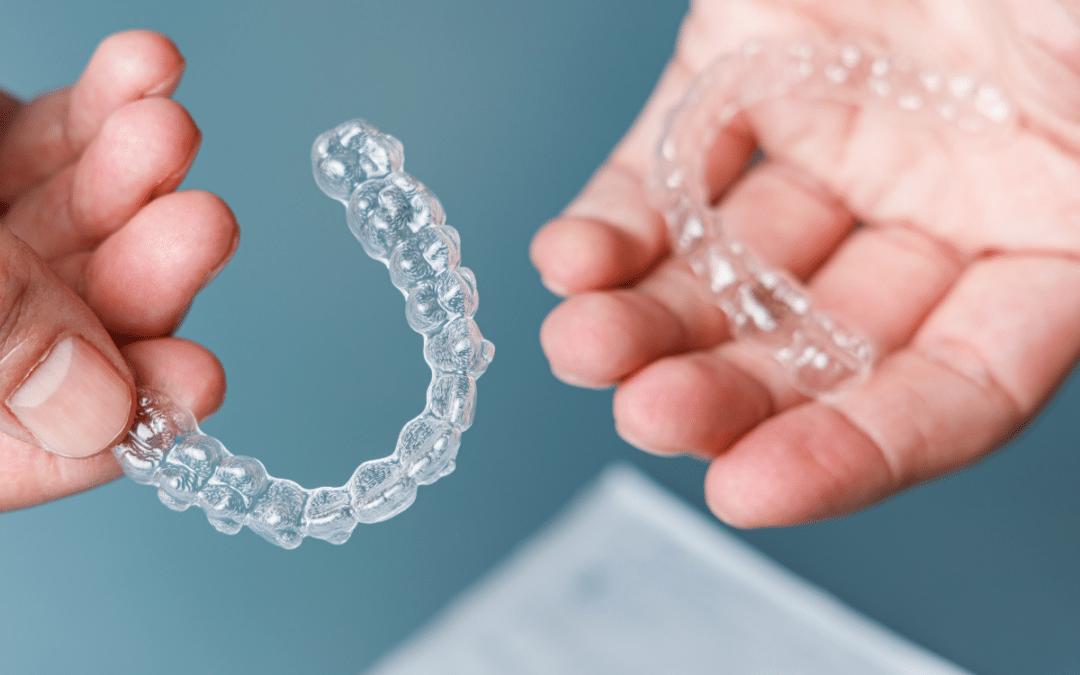
Clear retainers, sometimes called Essix retainers, look very similar to Invisalign aligners. They’re thin, transparent, custom-molded trays that fit snugly over your teeth. Many patients prefer them because they’re virtually invisible when worn. Clear retainers are easy to use and comfortable, though they’re generally less durable than Hawley retainers and may need to be replaced more frequently if they crack or warp.
Fixed (Bonded) Retainers
A fixed retainer, also called a bonded or permanent retainer, is a thin wire that is bonded directly to the back surfaces of the front teeth usually the lower front teeth, which are the most prone to relapse. Because it’s attached to the teeth, a fixed retainer works around the clock without any effort from the patient. It’s an excellent option for patients who are concerned about the discipline required to wear a removable retainer consistently. Fixed retainers require a bit more care during oral hygiene. Flossing around them requires a floss threader or water flosser, but many patients find the peace of mind well worth it.
At Grant Orthodontics, our doctors will evaluate your specific case and recommend the type of retainer or combination of retainers that will best protect your results for the long term.
How Long Do You Have to Wear a Retainer?
This is one of the most common questions we receive after treatment, and the honest answer is: ideally, for life. We know that’s not what everyone wants to hear, but let us explain why.
In the months immediately following treatment, most patients are instructed to wear their retainer full-time (22–24 hours per day), removing it only to eat and brush. After a period of full-time wear typically 6 to 12 months; most patients transition to nighttime-only wear. At this stage, wearing your retainer while you sleep is usually sufficient to maintain your results.
The reason for long-term wear isn’t just about the initial stabilization period. Even years after orthodontic treatment is complete, teeth continue to shift naturally as part of the normal aging process. Factors like continued jaw growth (which can continue into the mid-20s), the eruption of wisdom teeth, gum changes, and everyday bite forces all exert subtle pressure on teeth over time. Patients who wear their retainer nightly for years after treatment consistently maintain their results far better than those who stop.
What Happens If You Stop Wearing Your Retainer?
The short answer: your teeth will likely shift. The speed and extent of that shifting depends on several factors, including how complex your original treatment was, your age, and your individual biology. Some patients notice movement within weeks of stopping retainer wear; others may not see significant changes for months or years. But for the vast majority of patients who abandon their retainer, some degree of relapse is virtually inevitable over time.
The most common areas of relapse are the lower front teeth (which tend to crowd again as jaw development continues) and the upper front teeth (which can spread or rotate). In some cases, the shifting is subtle enough that it’s mainly a cosmetic concern. In more significant cases of relapse, a patient may find themselves needing a full course of orthodontic treatment all over again — an entirely preventable outcome.
Caring for Your Retainer
A well-maintained retainer can last for many years. Here are some essential care tips:
- Clean your removable retainer every day, rinse it with cool water and brush it gently with a soft toothbrush. Avoid hot water, which can warp the plastic.
- Never leave your retainer sitting out in the open. Always store it in its case when not in your mouth. Pets are notorious retainer thieves, and retainers left on tables or wrapped in napkins are easily lost or damaged.
- Avoid soaking your retainer in mouthwash containing alcohol, which can degrade the material over time. Use retainer-specific cleaning tablets instead.
- For fixed retainers, use a floss threader or water flosser daily to clean beneath the wire and prevent plaque buildup.
- Bring your retainer to every follow-up appointment at Grant Orthodontics so we can check its fit and condition.
- If your retainer feels tight when you put it in, that’s a sign your teeth have shifted slightly. Wear it more consistently and contact our office if the tightness persists.
What to Do If Your Retainer Is Lost, Damaged, or No Longer Fits
Retainers get lost, cracked, or left behind at restaurants. If this happens to you, don’t panic, but don’t wait either. Contact Grant Orthodontics as soon as possible to arrange for a replacement. The longer you go without your retainer, the more your teeth may shift, and a retainer that no longer fits properly should never be forced onto the teeth.
In some cases, if significant shifting has occurred, a short course of refinement treatment (with Invisalign or a similar system) may be recommended before a new retainer is made. This is another reason why consistent retainer wear is so much easier and less costly than dealing with relapse.
The Bottom Line: Your Retainer Protects Your Investment
You invested time, effort, and money into achieving your beautiful smile. Your retainer is what protects that investment — for months, for years, for life. At Grant Orthodontics in Homewood, IL, we make sure every patient leaves with a thorough understanding of their retainer, how to wear it, and how to care for it. Because for us, your treatment isn’t finished when the braces come off; it’s finished when you have the tools and knowledge to maintain your smile forever.
Have questions about retainers, or concerned that your teeth may have shifted since treatment? Contact our team today to book an appointment. We’re always here to help you protect the smile you worked so hard to earn.